Social-Emotional Learning Overview: Key Insights and Practical Explanation
Social-emotional learning (SEL) is an educational approach that helps individuals understand and manage emotions, build positive relationships, and make responsible decisions. It plays a vital role in shaping how people interact with others and navigate daily challenges. In both academic and personal settings, SEL supports balanced development beyond traditional subject knowledge.
Because kids build social and emotional strengths, they start talking clearly, work through disagreements, care about others’ feelings. Schools need these abilities, just like offices do, even neighborhoods. With teaching methods changing, SEL now fits right into how people learn across the globe.
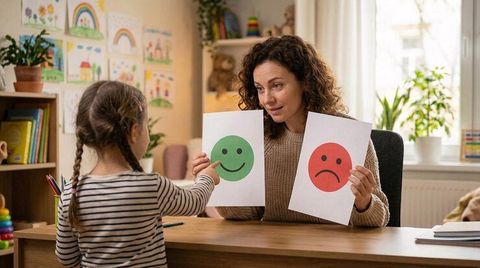
Core Parts of Social Emotional Learning
Starting with self-awareness, one part of social-emotional growth shows how feelings shape actions. Moving on, managing emotions comes into play when reactions need balance. Then, setting goals gains importance because motivation shapes choices. Next up, understanding others pops in where empathy builds stronger connections. Lastly, responsible decisions rise to the surface each time a choice must be weighed.
Self-awareness
Surprisingly, knowing what you feel, think, and believe shapes daily choices. When emotions are clear, actions make more sense. Picking up on moods early lets learners spot where they shine - and where they stumble. Realizing inner patterns opens quiet doors to progress.
Self-management
When things get tough, some people keep going by managing their feelings and aiming at targets they set themselves. Staying steady comes easier when inner balance is a daily practice instead of an afterthought.
Social awareness
Seeing things through someone else's eyes builds real connection. When students grasp where others are coming from, respect follows naturally.
Relationship skills
Starting off, sharing thoughts clearly helps people understand each other better. Working well with others often means listening more than speaking. Solving disagreements calmly can keep relationships from falling apart. Strong bonds grow when trust forms over time. Professional ties thrive under similar conditions.
Responsible decision-making
Choosing wisely shapes how people respond when challenges arise. Because actions carry weight, pausing to reflect becomes part of moving forward. Reactions matter just as much as intentions do over time.
How Feeling and Getting Along Help Us Learn
Out in the world, not just at school desks, feelings and relationships shape how we grow. Because emotional skills matter, people handle life better, study improves, while getting along with others feels smoother too.
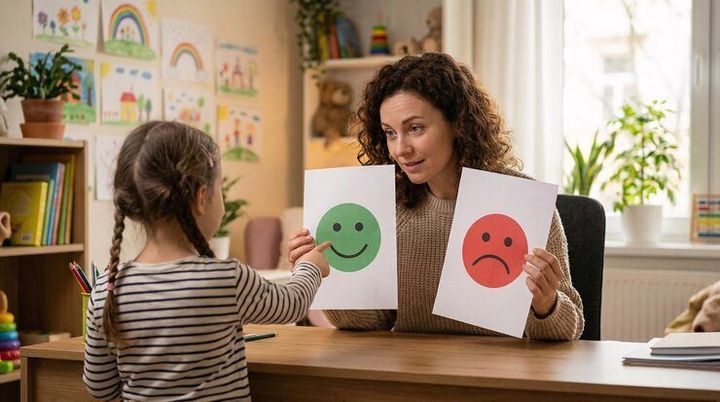
When kids learn how to manage emotions, schoolwork tends to go smoother. Because they can stay calm, their minds stick with tough tasks longer. Since feelings are in check, worries shrink and attention grows stronger. With practice, facing hard moments becomes less overwhelming.
Besides building skills, SEL shapes how students act each day. They start working better together, showing care and listening closely. Because of this shift, classrooms feel calmer, with teamwork growing naturally.
Looking ahead, SEL builds skills that matter when life gets messy. In friendships or jobs, knowing how to handle emotions makes a difference. Not magic - just practical strength when things shift.
Ways to Add SEL into Daily Practice
Most days, small moments add up when it comes to emotional growth. Built-in habits matter more than big plans ever could.
Classroom or learning environment strategies
- Encourage open discussions about emotions and experiences
- Use role-playing activities to practice real-life scenarios
- Create a safe space where individuals feel comfortable sharing thoughts
- Incorporate group activities that promote teamwork
Personal development practices
- Daily reflection through journaling
- Practicing mindfulness or breathing exercises
- Setting achievable goals and tracking progress
- Engaging in active listening during conversations
Little by little, feelings become clearer through these methods while connections with others grow more solid. Starting here, practice shapes understanding in ways that stick around longer than expected.
Developing Socio Emotional Skills Helps People Understand Emotions Build Relationships and Handle Social Situations
Life changes quietly when emotional skills grow stronger. A look at what shifts follows here
Focus gets sharper when learning clicks into place. When school work makes sense, grades tend to rise without extra effort. Calm replaces tension, step by step. Self-trust grows stronger after small wins add up. Talking becomes easier, listening deepens over time. Friendships gain strength through real moments. Choices slow down, thinking steps in before reacting. Actions line up with goals more often than not. Handling change feels less like a burden later on. Working well with others begins with quiet cooperation. Leading comes naturally when respect is already there.
Starting young makes a big difference when picking up emotional skills. What stands out is how much smoother things go later on. Early practice shapes responses before habits set in. It matters because reactions become more thoughtful over time. Learning begins long before words catch up. Moments add up without notice. Growth shows in small choices.
Difficulties in Social and Emotional Learning
Yet obstacles often appear when putting social-emotional learning into practice. Getting clear on what blocks progress makes it easier to move forward. Still, schools face real hurdles even with good intentions. Seeing each difficulty clearly opens space for practical fixes. Even so, change takes time when emotions and routines mix. Facing issues head-on leads to better outcomes down the road.
It often starts with not knowing. Some teachers and students simply miss why SEL matters so much. Without that clarity, it rarely becomes part of everyday school life.
Busy timetables fill up fast. School routines leave little room - so adding moments for feelings takes effort.
Out of every classroom, faces show feelings in ways shaped by tradition. Because of this, lessons on managing emotions must bend without breaking. One size fits none when backgrounds shift what words mean. Flexibility grows stronger when teachers listen first.
Breaking Down Walls to Real SEL
Fixing these issues takes careful thought, then sticking with it every day. A tweak here or there might actually make things better. Though progress feels slow, tiny changes add up over time.
- Start lessons by weaving social skills right into math or reading. Instead of setting aside special times, build understanding through everyday topics. A story in language class can open space for talking about feelings. Math teamwork might teach patience, listening. Subjects already on the schedule offer chances to grow empathy naturally. Lessons feel more real when emotions come up where they belong
- Provide training and resources for educators and learners
- Encourage family involvement to reinforce emotional learning at home
- Use real-life examples to make concepts relatable
When kids practice social skills during regular activities, those lessons fit smoothly into their day instead of feeling like extra work.
How Tech Fits Into Social Emotional Learning
Nowadays machines help people grow their feelings skills more than before. These gadgets open doors to understanding emotions through fresh methods of talking and sharing.
When users dive into interactive platforms, they face real-life scenarios where choices matter. Journals on the web, along with digital tools, quietly log feelings and shifts across weeks.
Still, mixing tech time with actual face time matters. Talking in person helps build true connections because feelings show easier that way.
Future of Social Emotional Learning
One thing shaping tomorrow’s classrooms? A deeper focus on emotional awareness. When people connect across borders, getting along matters more than ever. Learning how others feel helps students move through complex relationships. Schools may soon treat empathy like math - something you practice every day. What changes when kids learn to listen well? The whole dynamic shifts.
Success isn’t only about grades anymore. Slowly, schools begin to see that feelings matter just as much as test scores. A wider view of thriving takes shape when classrooms start valuing empathy like equations. Life wins include calm reactions, not just correct answers.
Years ahead could see SEL woven into school lessons from start to finish. Because studies keep moving forward, teaching methods might shift in subtle ways. New ideas tend to shape how kids practice emotional awareness day by day. Progress often comes quietly through small changes over time.
Conclusion
Starting with feelings, this method guides people through understanding themselves. Because of it, connections grow stronger over time. A different way to act comes from reflecting before moving forward.
Confidence grows when students learn how to handle tough moments with care. Through school, daily routines, or jobs ahead, emotional awareness becomes a quiet strength shaping their path.
Most days, small steps matter more than big shifts when weaving SEL into routines. Little things done regularly tend to stick around longer. With more people noticing its role, emotional growth through school activities seems likely to stay part of how kids learn who they are.