Virtual Classroom Tips: Learn Smart Strategies for Online Classes
Online learning has become an important part of modern education. Whether you are a school student, college learner, or professional taking online courses, knowing how to study effectively in a virtual classroom can make a major difference in your results. The flexibility of digital learning is helpful, but it also requires discipline, focus, and the right strategies.
Distracted minds often drift when screens flicker too long. Yet a steady routine turns chaos into calm. Some find clicking through lessons feels lonely - structure fixes that. Start small, stay consistent, watch effort add up. A quiet corner beats background noise every single time. Energy dips? Step away, stretch, return sharper. Notes scribbled by hand stick better than typed ones. Break tasks down, finish one before grabbing the next. Deadlines loom quieter when tackled early. Screens fade faster if eyes take real breaks. Learning clicks when goals feel clear, not cluttered. Small wins pile high without needing perfection.

Create a Dedicated Learning Space
A well-set-up spot can make digital classes work better. Comfort matters, so does silence and order around you. When each session happens in one consistent location, concentration begins to feel natural there. That corner starts meaning business - mind catches on fast.
Start somewhere quiet, where little pulls your attention away. Sitting at a desk beats lying on a mattress or sinking into a couch - it keeps your back straight and mind focused. Bright light matters too, especially when hours pass under steady gaze. Ending in comfort means less ache behind the eyes.
Keep your study essentials nearby, such as:
- notebook and pen
- charger and headphones
- water bottle
- textbooks or digital notes
- stable internet connection
When your desk is clear, thinking gets easier. Being ready for each lesson comes naturally if clutter stays away.
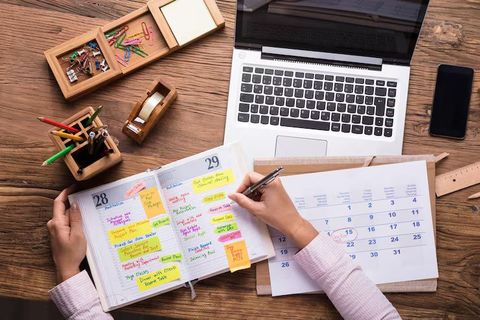
Stick to a Regular Study Routine
When class happens online, keeping time under control often feels like the hardest part. A set schedule missing means lessons drift away, assignments slip too.
Every day, shape your time around lessons, looking back at what you learned, and brief pauses in between. When done the same way each day, it helps your mind know when to pay attention. Starting fresh each morning builds rhythm without needing reminders. Pauses keep thoughts clear instead of heavy. Learning sticks better when spaced out like steps on a path. What feels hard today becomes normal after repeating it often enough.
A sample timetable looks like this:
Online Lecture. Short Break. Review Notes. Complete Assignments. Break Refresh
When you stick to a schedule, putting things off happens less often. Staying on track means assignments stay in order, too.
Move While Learning Online
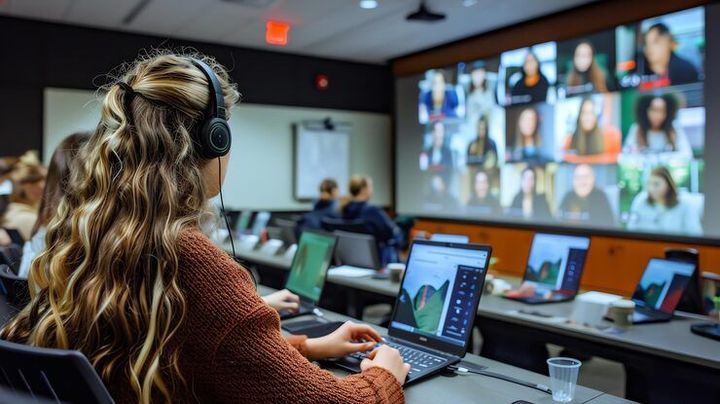
Most people think hearing is enough, yet minds wander when they just sit quiet. Staying engaged - asking questions, reacting, even nodding on camera - keeps thoughts locked into what's happening live.
Midway through a lesson, grab your pen when the teacher talks. Jotting main ideas sticks them in your head better because it pulls focus away from drifting off. A page fills up slow - each word anchors thought just enough.
You can stay active by:
- asking questions in chat or discussion forums
- answering teacher prompts
- participating in quizzes
- noting important deadlines
- summarizing the lesson in your own words
When students talk together, lessons stick better. A room buzzing with questions feels alive, much like school should be.
Improve Note-Taking Skills
Start strong by capturing key ideas, not every word. Important points matter most when studying later - highlight those. Examples help understanding; keep them close at hand. Definitions shape meaning, so record them clearly. Skip the rest. Less writing means better focus come test time.
Later on, try using titles to split up your thoughts clearly. Where you jot things down - online tools or paper pads - is up to you. Break ideas into short lines instead of long blocks sometimes. Important words at the start help when flipping back through pages. Picking one method matters less than sticking with it consistently.
Minimize Distractions
Out of nowhere, a phone buzzes - screen lights flash, pulling eyes away. Social media creeps in when least expected, stealing seconds. Television hums in another room, slipping through walls. Noise tags along, tagging every quiet moment. Each break in attention slows progress without warning. Concentration thins, piece by piece.
When class is about to start, silence your phone or leave it somewhere out of reach. Other than study tools, shut down extra tabs in your browser. Notifications from unrelated programs should be switched off before lessons begin.
Some helpful focus tips include:
- use headphones to block noise
- keep only class-related tabs open
- inform family members about class timings
- avoid multitasking during lessons
Quiet spaces help focus better while cutting down on wasted minutes. When interruptions fade, attention grows stronger instead of drifting away.
Smart Learning Ways
Most times, thinking harder beats spending extra hours. When learning online feels tough, better ways of remembering help make it click.
Experiment with methods like these:
- active recall by testing yourself after class
- spaced repetition for reviewing topics over time
- mind mapping for complex concepts
- practice questions for better retention
Working these ways builds lasting recall while boosting how well schoolwork turns out.
Split Big Jobs Into Tiny Steps
Chunks of work that seem too big start feeling heavy. Break those pieces apart, though, using step-by-step plans and fixed due dates.
For example:
- research topic
- create outline
- write first draft
- revise content
- submit assignment
Breaking tasks into tiny pieces makes starting feel less heavy. When each step is clear, moving forward happens without pressure building up.
Share ideas and work together
Alone time does not have to fill online lessons. Talking with instructors or peers opens clearer paths through tough topics.
Start by joining forums, team tasks, or virtual study circles. When thoughts flow between people, understanding grows - questions clear up faster too.
When something feels unclear, get in touch with your teacher using email or the class messaging tool. Because clearing up doubts fast helps avoid bigger mix-ups down the road.
Join Study Discussions
Looking at things together, peers might see what others miss. When people learn as a group, virtual sessions tend to feel livelier, less like routine.
Before exams, quick team study moments help people feel more sure of themselves while getting ideas clearer. Working together even briefly makes a difference when it matters most.
Staying Healthy During Online Learning
Sitting too much while staring at displays may weaken your body and mind. For lasting results in online classes, good routines around studying matter most.
Every 45 to 60 minutes, pause what you’re doing. Get up now - move your arms, blink slowly, step away from the screen. A brief shift in motion helps. Your muscles loosen when you stand and reach high. Eyes recover if given quiet moments. Walking even a little resets more than just posture.
Remember these health tips:
- maintain proper sitting posture
- stay hydrated
- sleep well
- avoid excessive screen time after class
- Every twenty minutes, look at something twenty feet away for twenty seconds
Every 20 minutes, shift your eyes to an object twenty feet off - hold there half a minute. A quick pause like that resets your vision softly, without effort. Twenty feet out, for twenty seconds, each time the clock hits twenty. It works simply: glance far whenever the timer does its chime. Time passes, you blink slow, staring where distance starts. Not hard, just space and stillness added in between tasks. Moments stretch when sight drifts past screens into open air.
When the body feels strong, concentration often improves along with how well someone picks up new information.
Track Your Progress Regularly
Each week, take a moment to check how you are doing. Looking back helps spot what fits well, also shows where changes make sense.
Ask yourself:
- Every session - was I there?
- Was every task handed in when it was due?
- What topics require extra review?
- Do distractions slow me down too much?
Staying on top of how far you’ve come makes it easier to stay focused, since knowing what’s ahead sharpens purpose. Progress seen is effort noticed, which quietly strengthens commitment over time.
Conclusion
Most days, good results come not just from logging in but thinking ahead about how to learn. A spot set aside for schoolwork helps more than shifting around the house each time. When routine shapes the hours, attention grows stronger instead of fading by midday. Participation often lifts mood plus keeps ideas moving during lessons. Phones elsewhere mean fewer breaks that stretch too long. Clever techniques - like testing yourself - stick better than rereading notes again. Success shows up quietly, built piece by piece through small choices.
Staying on top of things in a virtual class means building routines that work. One small step at a time, progress adds up when you show up each day with purpose. Focus shifts easily if the space feels clear - both screen and mind. Success often follows those who plan ahead instead of waiting. Digital learning grows stronger with daily attention, not sudden pushes. A steady rhythm turns clicks into real understanding over weeks. Learning thrives where clutter fades and intent stays sharp.