AI Teaching Assistants: A Complete Guide for Modern Classrooms
Artificial intelligence is reshaping how education works, and one of the most impactful developments is the rise of AI teaching assistants.
Out there, classrooms are changing shape because machines now help teach. A single new helper has made waves - smart programs that guide students step by step.
Most schools now use tools that help teachers and students manage daily work, give custom feedback, sometimes even adjust lessons on the fly. When spaces shift from chalkboards to screens, these smart helpers start fitting right into how class runs today.
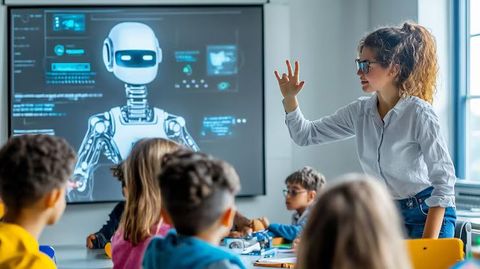
Not here to take over classrooms. Still, these tools stretch how far one teacher can go, making it easier to guide bigger classes without losing personal touch. With that change comes extra room for teaching what matters, leaving behind the repeat-heavy chores.
AI teaching assistants work by responding to questions offering explanations and helping with learning tasks using programmed knowledge and language skills
Starting off, understanding how AI tutors work means looking at tech like natural language processing mixed with machine learning along with data analytics. Because of these pieces working together, they manage to grasp what students ask while also checking how well someone is doing, then answering in ways that fit.
Most times they work inside chats, study apps, or tools built right into school software. When a student has a question, help shows up whenever needed - no waiting. A query comes in, an answer follows, often fast. Learning moves on without pause.
Core Capabilities
AI teaching assistants offer several key capabilities that make them useful in academic settings:
- Answering frequently asked questions instantly
- Providing explanations for complex topics
- Generating quizzes and practice exercises
- Tracking student progress and identifying learning gaps
- Offering personalized study recommendations
With fewer tasks to handle, teachers can breathe easier. Meanwhile, learners find help quicker than before.
Students and educators gain advantages
One way things shift: AI helpers change how students connect with lessons. Teachers find new room to work when routine tasks ease up. Engagement grows, not because of magic, but through steady support that's always available.
When school moves online, students often find it easier to keep up. Because they pick when to focus, lessons fit better around their lives. If something feels confusing, they simply go back and try again. Some learners breathe easier knowing they won’t have to raise a hand in front of everyone.
Teachers find more hours in their day when AI steps in. Handling routine questions, easing the load of grading, plus sorting materials - these tasks flow smoother. Attention then shifts where it matters most: real teaching.
Key Advantages
- 24/7 availability for academic support
- Grading comes fast once you turn work in. Quizzes show results right after completion. Answers get checked without delay. Responses appear soon after submission. Marks arrive quickly following each task
- Each step shaped by how you do. What comes next follows your pace. Your way forward changes as you go. Progress builds direction. Every result shifts the route ahead
- Reduced administrative workload for educators
- Improved student engagement through interactive tools
One thing leads to another, shaping how smoothly students pick up new ideas. A steady rhythm builds when pieces fit without force.
Using Apps in Various Learning Settings
From classrooms to digital courses, AI tutors show up in many places. Whether it is a high school, college, or website for studying, they fit right in.
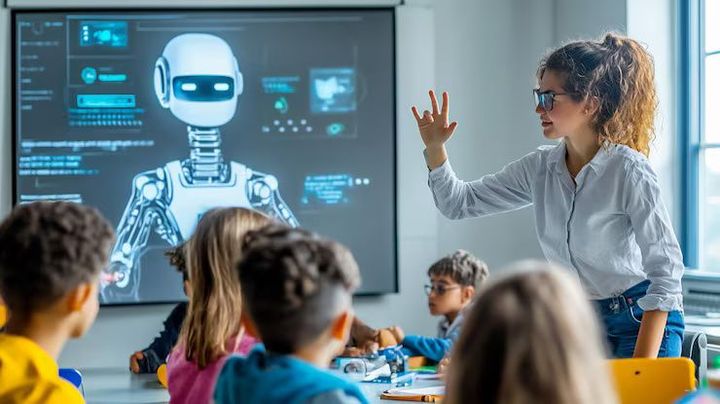
When class happens in person, these tools help instructors handle questions while keeping assignments on track. Through web-based courses, guidance comes mainly from them as learners move across online materials.
Common Use Cases
- Handling big groups when teaching lectures filled with learners
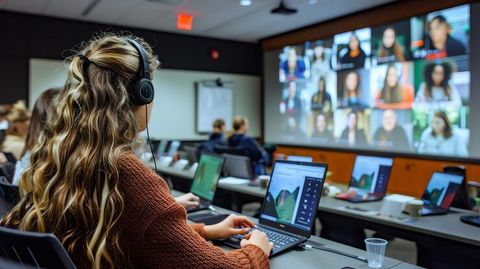
- Supporting remote and hybrid learning environments
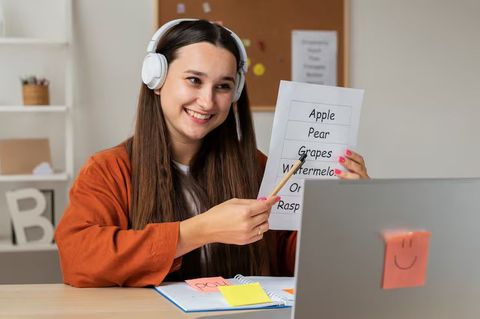
- Helping with language learning and practice
- Providing tutoring support in subjects like math and science
Built to fit different learning stages, these tools show up where they’re needed most - flexible enough for science labs or history classes alike.
Challenges and Limitations
Even with benefits, AI tutors face hurdles. Knowing the downsides helps them work better.
Wrong answers can slip through. Since machines follow code and fed details, mistakes happen now and then. Someone needs to check what comes out. Trust depends on that second look.
Funny thing - machines still miss the quiet moments when a student needs patience, not answers. They chat fine, yet stumble where gut feeling matters most inside learning.
Common Limitations
- Limited ability to understand complex emotions
- Dependence on quality of training data
- Responses might lean one way without meaning to
- Need for continuous monitoring and updates
Working through these issues shows why relying on AI alone misses the point. Instead, it works best when used alongside human effort, fitting into broader workflows without taking charge.
Traditional Teaching Assistants Compared
While one learns from code, the other grows through experience. Not every strength lines up neatly between them. Some limits show up only when tasks shift unexpectedly.
Here’s how they stack up, point by point
Whenever you need help, FeatureAI is ready. A human teacher works only during set hours. Answers come right away from the machine. The person might take time based on how busy they are. Talks with the digital helper lack deep feeling. Real instructors pick up on emotions easily. One system can support a large number of learners at once. People usually work best with fewer students. Changes in teaching come from collected information. Teachers adjust using what they have seen over time.
One way to look at it - these two kinds actually fit well side by side. Their strengths line up in a quiet kind of harmony. When paired, they fill gaps without drawing attention. It works because one picks up where the other stops. Together, balance emerges without force. The result? Less friction, more flow.
Thinking About Right And Wrong In Teaching Artificial Intelligence
When schools start using artificial intelligence, tough moral issues come up. Because machines track what learners do, keeping personal details safe becomes a major challenge.
How these systems work ought to be clear to everyone involved. Decisions they reach shouldn’t feel like secrets - those using them deserve to know the reasoning behind outcomes.
Important Ethical Aspects
- Protecting student data and privacy
- Ensuring fairness and reducing bias
- Maintaining transparency in AI decisions
- Balancing automation with human involvement
Fixing these problems matters if schools want students to believe in AI tools. Without clear fixes, doubt grows fast.
AI Teaching Assistants Tomorrow
One step ahead, AI helpers in classrooms might soon understand questions better than before. Because machines learn patterns now, responses could feel less robotic over time. With sharper language skills built in, conversations may flow almost like talking to a person. Growing smarter bit by bit, these tools adapt each time someone uses them.
One step ahead, lessons could shift on their own as students work through material. Instead of staying flat, classrooms might stretch into 3D spaces using VR gear. A change here, a nudge there - learning feels less like routine, more like response.
Emerging Trends
- More advanced conversational abilities
- Deeper personalization using learning analytics
- Integration with immersive learning environments
- Greater collaboration between AI and human educators
Change is pushing AI deeper into classrooms. New steps are making machines more part of learning every day.
Conclusion
Out here, AI tutors are changing how classrooms work - opening doors, speeding things up, cutting clutter. Not just filling holes in old methods but walking alongside teachers and learners alike.
Still, these tools can’t fully take over from teachers. Working together with instructors brings out their best - machines handle speed while people bring understanding. Learning keeps changing, and alongside it, AI helpers in classrooms will grow more involved in how students learn down the road.