Complete Guide to Interview Skills: Tips, Facts, and Explanation
Interview skills are essential for anyone preparing to present themselves effectively in a professional setting. Whether you are a student, a fresh graduate, or someone exploring new opportunities, understanding how interviews work can make a significant difference. Strong communication, confidence, and preparation are the foundation of success.
This full walkthrough dives into handy hints, real insights, and straightforward breakdowns so you can do better when facing questions. Another angle looks at gentle methods for conversations, coaching those who ask the questions, plus ways to grow through organized practice.

What Interviews Are For
A talk like this goes beyond giving answers. What happens here involves two people checking if they match - skills included, but so much more. One shares what they can do; meanwhile, the other listens for how thoughts are shared, challenges handled, whether values line up.
Starting with how someone acts can tell you plenty. Instead of just checking skill lists, talking through real moments shows more. A lighter chat opens up honest answers. Personality comes out when pressure fades. Emotional sense often matters just as much as experience. Real talk replaces stiff Q and A. The mood shifts when listeners care about feelings too.
Key purposes of an interview include:
- Evaluating knowledge and experience
- Understanding personality and attitude
- Measuring communication and clarity
- Assessing adaptability and learning ability
Seeing what matters lets preparation happen with clearer purpose. How things connect shapes the way forward. Each aim gives a clue about where effort works best.
Interview Types To Be Aware Of
Whatever kind of interview it is, getting ready means doing different things. If you find out ahead, that shapes how you act when the time comes.
Common Interview Formats
- Structured interviews: Predefined questions for all candidates
- Unstructured interviews: Open-ended and conversational
- Behavioral interviews: Focus on past experiences
- Panel interviews: Multiple interviewers at once
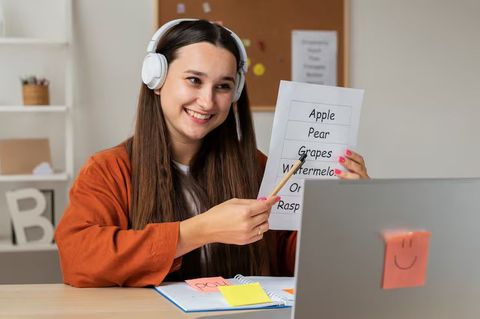
- Virtual interviews: Conducted online using digital platforms
Behavioral Interviews Explained
Most companies lean on behavioral interviews - they reveal how people actually acted when it mattered. Talking through old challenges comes up a lot, usually shaped by something called the STAR approach
- Situation
- Task
- Action
- Result
Built step by step, this approach shapes responses in a clean, thoughtful way. Instead of guessing, it guides how ideas connect. With each part fitting naturally, clarity grows without effort. Through simple flow, meaning stays sharp and easy to follow.
Interview Prep Basics
Getting ready matters more than anything else when aiming to do well in an interview. Confidence grows through practice, nerves settle - thoughts become sharper as answers flow better.
Curiosity kicks things off - dig into the company, what it stands for, how it fits within its field. When you know what the job truly asks, line up your strengths to meet those needs. Talking through typical interview questions helps smooth out your responses, making them clearer over time.
Here are some practical preparation tips:
- Review your resume thoroughly
- Practice speaking clearly and confidently
- Prepare examples of achievements and challenges
- Plan your introduction and closing statements
- Dress appropriately for the situation
Besides keeping track of hours, showing up ahead of schedule helps. Logging into meetings prior to the start cuts down on last-minute pressure.
Communication Skills and Body Language
How you say something often matters more than what you say. A slouch can speak louder than sentences. The way your voice rises or falls shapes how others see you. Even silence carries meaning when paired with a glance. Gestures slip through without permission but still leave marks. Presence shows up before any word is spoken.
Verbal Communication
Start by making every word easy to understand. Skip the complicated terms whenever possible. A short reply often works better than a long one. Pay close attention when others talk - it matters just as much. Clear speech opens doors where confusion closes them.
Non-Verbal Communication
How you carry yourself often shows how sure you feel. Look people in the eyes while speaking, keep your back straight when seated, yet let your hands move as they would on a calm day. A steady presence speaks before words do.
Important body language tips:
- Maintain a relaxed posture
- Avoid excessive hand movements
- Smile naturally when appropriate
- Nod to show understanding
Most times a gentle chat leans on quiet signals, peeking into how someone thinks or feels. Quiet moments between words matter just as much as what gets said out loud.
Common Interview Questions and How to Respond
Most folks wonder about similar things, so getting ready with clear replies makes sense. Even though rote learning won’t help, using a loose outline sharpens what you say. Instead of scripting every word, shape ideas ahead - this keeps thoughts steady when speaking.
A look at typical questions along with ways to handle them follows below
One way to start: talk through your path so far, touching key points. Skills come up next - pick ones that fit, then prove them with real cases. When asked what trips you up, name it straight, add how you’re fixing it. Challenges at work? Pick one, walk through step by step what happened and why. Future plans might pop - answer with grounded ideas, hint at learning ahead. A clear story about who you are often opens doors naturally
When you get ready for these questions, answers come easier, flowing without pause.
How interview training programs help
Practice makes better when people try mock interviews with clear tips. One side learns how to answer well, the other discovers how to ask right questions. Some folks gain confidence by doing it again and again. Feedback helps spot what works, plus what needs changing. Learning happens step by step, not all at once. Real talk beats theory every time someone tries it live.
Better Skills From Practice
- Improve communication and clarity
- Practice makes trust grow during pretend runs
- Provide constructive feedback
- Enhance understanding of interview formats
Training interviewers through interviews
Just like candidates, those doing the hiring need practice too. This kind of preparation helps keep things balanced, using similar questions each time. A quiet room matters more than people think.
Well-trained interviewers can:
- Ask relevant and unbiased questions
- Evaluate responses objectively
- Create a comfortable environment
- Identify potential effectively
When things work smoothly, everyone benefits without extra effort. Outcomes get stronger when both parties feel heard.
Mistakes to Avoid During Interviews
Skipping typical blunders often leads to better results. Plenty of test takers stumble - not from ignorance, yet from preventable slipups.
Common mistakes include:
- Lack of preparation
- Speaking too much or too little
- Interrupting the interviewer
- Showing negative attitude
- Ignoring body language
Too much self-assurance often causes problems. Confidence matters - yet staying open-minded keeps growth alive instead. Humility steps in where certainty might otherwise stop listening.
building confidence for interviews
Starting strong doesn’t come ready-made; it grows slowly from doing the work. Facing mock interviews again and again chips away at shaky nerves.
Ways to build confidence:
- Practice mock interviews regularly
- Record yourself to analyze performance
- Focus on strengths rather than weaknesses
- Use positive self-talk before the interview
Most times, a gentle way of interviewing lifts up those who stay relaxed, steady, in their own skin. Quiet moments matter more than polished answers when the tone stays light.
What To Do After An Interview
Once the talking stops, that moment isn’t the finish line. What happens afterward shapes how things get better over time.
After the interview:
- Reflect on your performance
- Identify areas of improvement
- Pay attention to what is being questioned
- Improve responses for future interviews
Every moment becomes a lesson when you pause to notice what happened. That small step forward grows stronger because of it. Better choices show up later without force. What felt hard once now fits easily into your hands.
Conclusion
What makes interview skills work? It is about getting ready, speaking clearly, knowing yourself. When the goal of an interview becomes clear, everything shifts. Practice helps - running through likely questions builds steadier responses. Body language matters just as much as words do. Small changes there often make a big difference. Confidence grows when actions match intent.
Start with gentle methods during interviews, while also joining practice sessions that build real skill over time. When those who ask questions get proper preparation, fairness grows without slowing things down.
Most people find their footing when they practice often while using methods that fit how they think. A steady rhythm builds ease over time instead of pressure piling up. Confidence grows quietly through small wins, not sudden breakthroughs. Clarity comes from doing things repeatedly until choices feel natural. The way someone prepares shapes how calmly they respond under stress.