Early Childhood Education Overview: Key Insights and Development Facts
Early childhood education plays a critical role in shaping how children think, learn, and interact with the world. It focuses on the developmental years from birth to around age eight, when the brain grows rapidly and forms essential cognitive, emotional, and social foundations. During this period, children absorb information quickly, making it an ideal time to introduce structured learning and positive experiences.
Little kids learn best when grown-ups know what helps them thrive. Starting with playful moments instead of textbooks opens doors to real understanding. Talking together shapes young minds more than memorizing ever could. Experiences before school build quiet strengths that last well into later years.
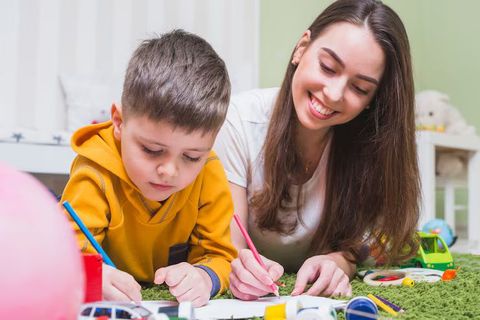
Early Childhood Education Explained?
Little kids get help with learning before starting big school. This happens in places like preschool or kindergarten. Instead of just reading and counting, they grow in many ways. Learning how to share matters as much as knowing letters. These years shape how children think, feel, and act. Experiences early on build a base for later life. Classrooms become spaces where curiosity gets room to move.
Little ones grow best when their minds stay busy with playful discovery. Stories spark imagination, while songs bring rhythm into learning moments. Games invite trial and error without pressure or rules piling up. Touching, moving, building - these actions shape thinking just as much as words do. Each experience adds quiet strength to how they understand the world.
Some families look into early learning options so their kids get a fair shot at the beginning. These setups often involve clear routines led by people who know how to teach young minds.
Early Childhood Development Matters
Little kids' brains grow quicker than they ever will again. What happens back then shapes how people act, pick up new things, even feel emotions down the road.
Positive early education helps children:
- Build strong communication skills
- Develop emotional intelligence
- Improve problem-solving abilities
- Strengthen social interactions
- Gain confidence and independence
Little ones given strong early lessons tend to do better in school and with peers down the road. Because of this, differences in learning shrink while future wins become easier to reach.
Early Brain Growth
Little kids’ brains build links fast when they’re young. Because of what they live through, who they meet, their surroundings shape how those links grow. When play and tasks spark curiosity, wiring gets tougher. Without chances to join in, growth might stall.
Because of moments like sharing stories or tossing a ball, young minds build new pathways. That's one reason classrooms lean into doing instead of just sitting.
Social and Emotional Growth
Little ones start figuring out feelings, making pals, shaping bonds before they reach school age. Through games with friends and careful nudges from grown-ups, caring grows along with teamwork.
From how grown-ups act, kids pick up ways to treat others. When adults show calm responses, little ones start understanding boundaries through example instead of rules. Moments like waiting their turn or listening closely become lessons without words being said. These quiet teachings stick long after childhood ends.
What Helps Young Kids Learn Well
Right from the start, good early learning mixes key parts that help kids grow in every direction. Each piece fits together so young learners get chances to build skills across the board.
Play-Based Learning
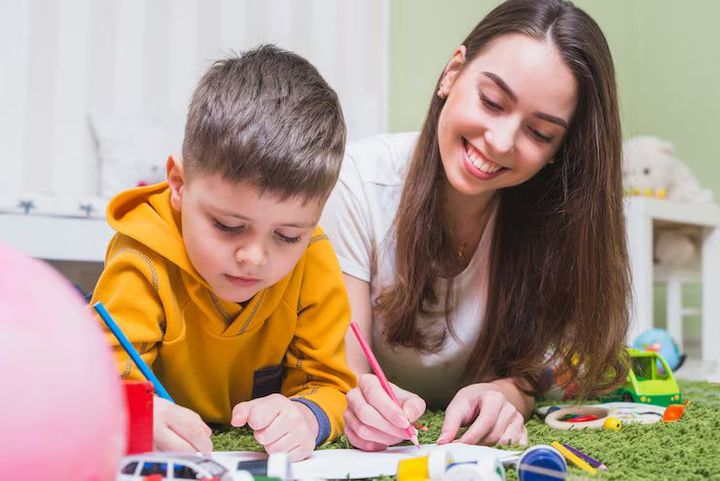
Little ones pick up a lot simply by playing around. They dig into thoughts, try out new stuff, sometimes breaking rules just to see what happens. Blocks stacked high teach balance - both mental and bodily. Pretending to be someone else? That sharpens thinking while muscles move through each scene. Even quiet moments with puzzle pieces link mind work and hand motion without any fanfare.
When kids play, they start making choices on their own. Their minds grow without pressure when they move at their speed. A relaxed space gives room to try, fail, adjust - without fear weighing them down.
Language and communication skills
Little by little, kids pick up words during morning circles where teachers read stories out loud. Instead of just naming things, they learn how sounds link into phrases while singing familiar tunes together.
Little kids who hear more words early on tend to read better down the road. Because of this, putting pen to paper feels easier when they grow. Thoughts come out smoother too. Confidence builds without needing to push.
organized and spontaneous activities
Playing without rules lets kids dream up their own ideas. When routines include set tasks, young minds meet first ideas - counting, recognizing letters, noticing forms. Some moments follow a plan. Others open space for wondering, testing, making. Together, both ways help learning grow.
Together, these pieces help kids grow self-control while also exploring creative thoughts.
Safe and Supportive Environment
Safe spaces help children learn more easily. A classroom that invites discovery also needs clear limits. When kids trust their surroundings, curiosity grows without worry.
When kids connect well with their teachers, they start feeling like part of something. A quiet comfort grows when classmates treat each other kindly. Learning becomes easier when fear fades into background noise. Smiles shared in hallways make lessons stick just a little longer.
Early Childhood Education Program Types
Some programs teach in ways that stand out from the rest. Picking the best fit comes down to what a child responds to, along with how parents see things.
Below is a comparison of common early education programs:
Kids choose their own tasks in Montessori, using real materials to build confidence. Instead of following a strict plan, Play-Based lets children learn by doing fun things together. Waldorf schools mix storytelling with daily rhythms, feeding curiosity through art. Curiosity drives Reggio Emilia, where teamwork shapes long-term investigations. Less freedom but clear goals mark Traditional classrooms, focusing on reading, writing, math.
Looking into preschool options takes time when you are a parent. One place might build skills another doesn’t touch. Knowing what sets them apart matters more than it first seems.
Educators and Parents
When teachers team up with families, young kids learn best. Each brings something vital to how a child grows through early lessons.
Role of Educators
Starting early, educators walk kids through set routines and tasks. Because growth matters, they design daily lessons, watch progress closely, then share what they see. When it comes to handling varied ways of understanding, skilled instructors know just how to adjust. Their training shows in the way they meet each child’s pace and stage.
Starting out in early childhood education often means earning a degree to build real understanding. From there, people learn how kids think, ways to teach them well, yet also handle group settings with care.
Role of Parents
Little ones start learning right inside their homes. Moments shared each day help shape young minds. Instead of just reading books, swapping stories matters too. Curiosity grows when questions get space to breathe.
Home and school matching up gives kids a sense of safety. Because messages flow steadily between caregivers and teachers, learning feels smoother for the child.
Early Childhood Education Advantages
Early learning shapes lives far into the future, touching more than just school results. Well-being grows stronger when young minds get support at the start.
Among the advantages are these
- Improved school readiness
- Better communication and social skills
- Enhanced creativity and critical thinking
- Stronger emotional regulation
- Higher confidence levels
Little ones joining early learning activities usually handle school routines with less fuss. Because they’ve practiced sitting still and listening, the jump to full-time classes feels smoother. A cheerful mindset around books and tasks tends to stick when lessons start young.
Challenges and Considerations
Though young kids gain a lot from early learning, hurdles still exist. Where families live often shapes whether they find strong options nearby - money matters too.
Problems often pop up like these:
- Limited availability of quality programs
- Differences in teaching approaches
- Balancing academic and play-based learning
- Ensuring trained educators are available
Starting strong matters most when kids begin their journey. Picking paths needs thought, not guesses. Clear eyes beat blind hope every time. Choices made today shape what comes tomorrow.
What’s Next in Early Childhood Learning
What happens in classrooms today shifts under fresh findings and creative methods. Learning built around each child now shapes how lessons unfold, while growth across all areas takes quiet priority.
Screens are showing up more in classrooms these days. When matched well with lessons, apps and videos pull students into the work. Still life needs room beyond glowing rectangles - real things to touch, move, sort.
More attention now goes to welcoming all kinds of kids. Because differences matter, schools shape activities around varied needs and origins. Each one gets the same chance to move forward in their own way.
Now classrooms fill with teachers who started young, shaping how kids learn. Because attention grows, the value of starting school early spreads across countries.
Conclusion
Little kids start building their future when they learn early. During these young years, thinking abilities grow alongside feelings and how they get along with others. Instead of strict lessons, time spent playing teaches them much more than expected. Talking every day shapes confidence plus understanding. A safe space where care shows makes all the difference slowly.
Out of every chance kids get, grown-ups around them help shape what happens next. When schools pick strong early learning paths while homes offer steady care, little ones build abilities that stick with them later on. These moments matter more than most realize.
Right now, kids’ first learning steps matter way more than before. When grown-ups focus closely during childhood, outcomes stay strong later - both for people and everyone around them.