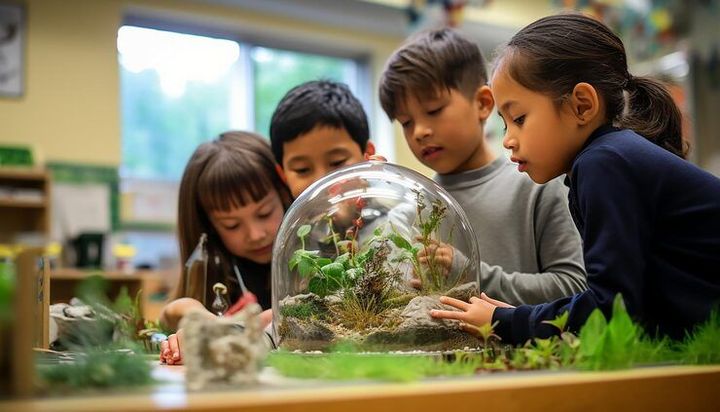
Green Education Initiatives: A Simple Guide to Sustainable Learning
Green education initiatives focus on teaching and learning practices that promote environmental awareness, responsibility, and sustainable thinking.
Starting fresh, green education pushes ways of teaching that build care for nature. Not just lessons, but habits form here - shaping how people see resources, waste, time. Through classrooms and quiet moments outside, thought grows about what lasts. Learning shifts when earth matters more than grades. Responsibility sneaks in through real tasks: planting, measuring water, watching seasons change. Thinking ahead becomes normal, not forced. Ideas spread without slogans, simply by doing.
Future classrooms might just shape minds ready for a world running on cleaner choices. Schools slowly weaving green thinking into lessons help pupils see how daily actions tie back to Earth's health.
Out here, learning sticks when it steps outside books and touches everyday life. Instead of just memorizing facts, pupils start living choices that ease pressure on the planet - choices that also lift their own health. Because of this, young minds grow up seeing wisdom and wilderness as close companions.
Why Sustainable Learning Still Counts
Right now, problems like a warming planet, dirty air, and vanishing natural supplies keep getting worse. Learning helps people grasp what’s at stake, guiding them to act with care. Kids who get familiar with nature’s balance at a young age tend to choose habits that reflect awareness later on.
Learning that lasts builds sharper thinking plus stronger ways to tackle challenges. Because it pushes people to study ecological issues while testing fresh ideas. Meaning grows when school connects to real life now.
Out here, learning about green practices helps people feel connected to the world beyond their town. Seeing life as woven together shifts how students think, bringing patience into decisions along with care for others.
Green Education Basics
Learning about nature begins with clear ideas that guide how it's taught. Because these ideas frame the experience, caring for the planet fits into lessons without force.
- Life depends on nature working right. People change forests, rivers, skies just by living. Seeing how animals, plants, weather connect helps make sense of damage done. What we do shifts balance - sometimes quietly, sometimes fast. Knowing these links matters more now than before
- Resource conservation: Using materials and energy efficiently
- Doing things yourself helps you learn better. Through practice, skills grow stronger. Real situations teach more than theory alone. Mistakes become lessons when you’re involved. Experience shapes understanding in ways reading cannot. By living it, knowledge sticks longer
- Community involvement: Encouraging collaboration with local communities
- Lifelong learning: Promoting continuous awareness beyond formal education
Learning grows best when ideas meet real doing. What students study links straight to how they act outside class.
Ways to Add Green Learning in Everyday Teaching
Start with small steps - schools might weave eco-friendly habits into daily routines. Over time, tiny changes add up, especially if repeated every day. One lesson at a time, students begin seeing green choices as normal. Think recycling bins in classrooms or turning off lights without being told. When behavior shifts quietly, results grow without fanfare. Consistency matters more than grand plans. Even switching paper suppliers sends a message. Actions speak louder than posters on walls. Learning by doing sticks better than lectures ever do.
Curriculum Integration
One way schools help kids understand green living is by mixing it into regular lessons. Science time might look at solar power instead of just textbooks. History class could dig into how laws protect nature. Mixing these ideas helps learners link them naturally. Seeing eco-topics everywhere makes them feel part of life, not just another subject.
Working on actual environmental challenges helps learners explore fresh ideas. When classroom tasks connect to problems outside, new ways of solving them begin to appear.
Eco-Friendly Campus Practices
Young minds spot change when classrooms compost scraps instead of trashing them. A campus choosing solar panels teaches more than textbooks ever could.
- Reducing paper usage through digital tools
- Implementing recycling programs
- Conserving water and energy
- Creating green spaces such as gardens
Most days, seeing others do certain things makes kids copy them without thinking much about it.
Student Engagement Activities
Getting involved makes it easier for students to understand what sustainability really means. When they plant trees, join clean-ups, or take part in eco-clubs, learning happens by doing. Instead of just listening, they see how actions make a difference. Real experience sticks better than words on a page.
When people gather to talk or try hands-on tasks, they start seeing environmental issues more clearly. Teamwork grows out of these moments, often followed by stronger leadership - both shaped through shared focus on lasting solutions.
Green Education Initiatives Help People Learn About Nature and Care for the Environment
Starting fresh, green learning brings gains that reach kids, schools, alike. Not just about saving trees, it shapes how people grow. A shift happens when classrooms breathe clean air - minds sharpen. Learning by doing grows leaders who think ahead. Schools become places where habits form quietly. Society feels the ripple later. Roots go deep without fanfare.
Out here, learning about nature clicks differently for students. Because they start seeing how things connect - choices and consequences begin to line up. When hands-on experience enters the picture, everyday tasks feel more doable. Life just gets a little easier to navigate.
A fresh start comes when schools shape spaces that are fair and thoughtful. Because of how things connect, careful habits tend to sharpen how supplies are used. Efficiency grows where routines follow nature's pace.
When people learn, those around them often notice a shift. Change spreads because one person's actions spark ideas in neighbors. Progress grows where knowledge takes root among friends. Efforts add up when shared by many hands quietly doing their part.
Results from Ongoing Learning That Lasts
- Improved environmental awareness
- Enhanced critical thinking skills
- Stronger sense of responsibility
- Better collaboration and teamwork
- Increased innovation in problem-solving
Years later, students still benefit when schools teach eco-awareness early. It sticks with them.
Barriers to Implementing Green Learning
One hurdle stands in the way of green education, even when benefits exist. Overcoming it depends on how schools handle real-world roadblocks. Without tackling these issues head-on, progress slows down. Success often comes not from plans but from adjustments made along the way.
When budgets are tight, going green feels out of reach for many campuses. A shortage of solar panels or compost bins might slow progress at certain learning centers. Still, tiny shifts - like reusing supplies or cutting waste - add up fast.
One hurdle stands out: many teachers simply do not know much about sustainability education. Without clear direction, weaving it into daily teaching feels uncertain. When schools offer solid support and tools, confusion fades a bit more each day.
Change sometimes meets pushback, which drags progress. Shifting habits takes energy; even so, small moves help ease the shift.
Green education practices examples
Below, everyday ways schools teach about nature show what changes they bring
Empty bottles find new life through collection efforts. Responsibility grows when students take part. Plants rise from soil near classrooms. Doing teaches more than reading alone. Lights go off when rooms empty. Small acts shape daily choices. Screens replace stacks of printed pages. Less waste forms quiet progress. People gather to talk about Earth. Ideas spread where attention goes.
Small steps often shift the way classrooms feel. What seems minor might quietly reshape learning. A different approach here, a quiet effort there - these things add up. Change does not always arrive loud. Sometimes it slips in through routine choices made each day.
The Future Of Sustainable Learning
Picture schools shaping tomorrow through care for nature. With Earth under pressure, learning that respects limits matters more every day. Some colleges now build eco-awareness right into how they teach.
Out there, screens are starting to shape how kids learn about nature. With apps instead of paper, less gets thrown away while lessons reach farther corners. Lessons on climate patterns now come alive through moving images, not just textbooks.
Working together, schools, local groups, and leaders help push these efforts forward. When people unite, change grows slowly but steadily - building fairness into how learning works. Education shifts when actions follow shared beliefs.
Green Education Shifts Taking Shape
- Increased use of digital platforms
- Focus on climate education
- Integration of sustainability in all subjects
- Greater community involvement
Change is showing up in how schools think about learning. A different mindset takes root slowly, one that cares more about consequences later on. Looking ahead matters now like it did not before.
Conclusion
Learning how to care for nature starts young when schools teach green habits. Because these lessons stick, kids grow up making smarter choices about the planet. When classrooms include real-world eco-practices, change begins quietly but spreads wide. The ripple shows not just in grades, but in daily actions years later.
One way to learn keeps people mindful of their actions, sharp in their thoughts, maybe even bold in ideas. This kind of growth readies each person to help build a world less strained, better aligned. When such efforts spread slowly, steadily, their weight shows up most clearly in what comes next - those who follow after.