Inclusive Education: A Complete Guide to Basics and Key Concepts
Inclusive education is an approach that ensures all learners, regardless of their abilities, backgrounds, or needs, learn together in the same environment. It focuses on equal opportunities and removing barriers so that every student can participate fully in education. This concept goes beyond simply placing students with diverse needs in the same classroom; it emphasizes meaningful participation and support.
Today’s schools keep changing, yet one thing stays clear: treating each learner equally builds stronger communities. Different backgrounds matter less when classrooms value every voice. Seeing what inclusion really means helps teachers and families shape spaces where students feel they belong. Noticing small shifts in attitude often makes the biggest difference.
Inclusive Education Meaning?
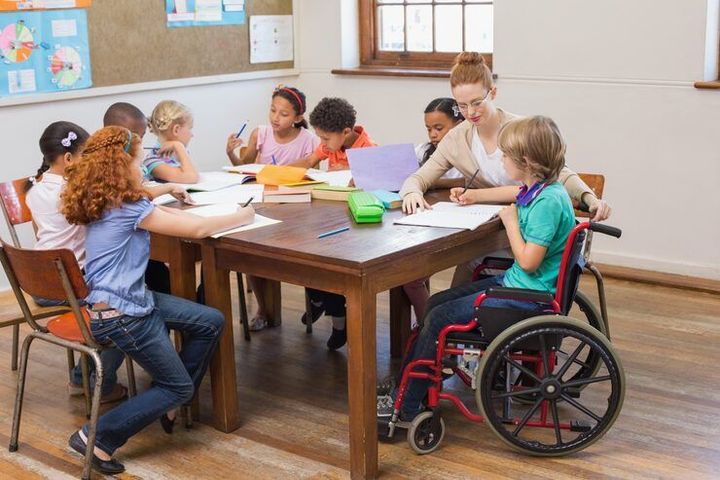
One classroom holds everyone, no exceptions. Kids who learn differently sit beside those facing physical challenges, alongside peers from separate cultures or skill levels. Success means each child gets what they need to move forward. Support shapes itself around the student, not the other way round.
Most classrooms work better when everyone brings something different. Learning happens more naturally when students see how others think, feel, even respond. Teachers find new ways forward by using tools made for varied needs. These supports change slowly, yet shift whole lessons.
Guiding Ideas Behind Inclusive Learning
Starting off, inclusive education follows key ideas that influence how it works
- Equality and access for all learners
- Respect for diversity and individual differences
- Participation and engagement in classroom activities
- Flexible teaching strategies to meet varied needs
- Collaboration among educators, parents, and communities
Starting fresh each day, this space treats everyone like they belong. One thing leads to another until nobody wonders if they fit in. Slowly it builds - moment by moment - a place that holds each person up without making a show of it.
Inclusive Education Matters
Together, kids grow when everyone joins the learning space - those labeled different alongside others. Belonging blooms easily inside rooms where no one gets left out. Learning happens between desks, not just on pages, because friendships form through shared days. Classrooms hum louder when every voice finds room.
When teachers team up, their skills grow in unexpected ways. Side by side, a specialist in inclusive education joins regular classroom instructors, offering guidance where needed. Because of this partnership, lessons become sharper, clearer, better shaped. Student progress climbs as instruction tightens through shared insight.
Out in the open world, classrooms mirror what comes next. When kids sit among peers unlike themselves, they start understanding differences without being told. Real talk happens where variety shows up every day. Growing up around contrast sharpens how young minds handle change later. Everyday moments become quiet lessons in getting along.
Essential Elements of Inclusive Learning
Working well means thinking ahead, then bringing pieces together slowly. When things fit right, every learner finds what helps them move forward.
Curriculum Adaptation
Every learner moves at their own pace, so lessons need room to shift when needed. Because of this, educators might adjust what they teach, how they present it, or how they check understanding. That way, everyone gets a real chance to reach the same goals.
Support Systems
Out of sight but never out of mind, special educators show up where it counts. Sometimes a counselor steps in when emotions run high or confusion sets deep. Teaching assistants appear quietly, adding steady hands during tough lessons. One key figure? The inclusion teacher - always watching, always adjusting. Needs pop up fast; that teacher spots them before they grow. Help comes not all at once, but piece by piece. Learning gaps don’t vanish overnight. Still, progress sneaks through thanks to consistent effort behind the scenes.
Classroom Environment
Every student finds a place where they belong when doors open wide, literally and otherwise. Ramps appear beside doorways, desks shift to make space - small changes that matter. Kind words flow between peers, building quiet strength over time. Confidence grows not from speeches but from being heard without effort. Participation becomes natural when no one feels like an afterthought.
Inclusive Education Resources Being Used
From time to time, educators turn to supportive tech when teaching diverse learners. Sometimes a diagram does more than words ever could. Custom handouts show up in many classrooms, quietly making lessons clearer. When visuals enter the room, attention shifts - students lean in. Engagement grows where materials meet individual needs. Tools shape understanding without announcing themselves.
Inclusive Education Implementation Approaches
Every classroom works better when teachers use real methods every day. Because of this, each student gets something useful from lessons.
Differentiated Instruction
One way teachers help kids is by changing how they teach. Not every lesson fits all learners at once - so speed, topics, or style might shift. A student could understand faster when seeing images instead of words on paper. Doing things with their hands might click more than listening alone.
Collaborative Learning
Working together in groups pushes students to share ideas while building trust among peers. When learners collaborate, they start seeing things through someone else’s eyes - quiet moments of understanding often follow. A shared task becomes less about winning and more about listening, adjusting, sometimes stumbling, then moving forward. These small group efforts plant seeds for cooperation without making a show of it. Learning shifts when voices blend, not just because rules say so.
Continuous Assessment
Most of the time, checking in on students lets teachers see how things are going. When one path works slower for a learner, another way might open faster. Seeing growth means noticing where steps falter. Flexibility matters because minds work in different rhythms. Some absorb through doing, others by listening or watching. Adjusting methods fits teaching to each person. Progress shows up differently depending on who is moving forward.
Teacher Training and Development
Most teachers need regular learning to support every student well. One who specializes in inclusion usually helps others by showing useful methods.
Parental Involvement
Home life shapes how kids grow at school. When families take part, lessons stick better outside classrooms. This connection keeps progress steady through time.
Barriers to Equal Learning
Though inclusive education brings advantages, difficulties arise too - requiring attention. Problems appear alongside progress when classrooms open to all. Even good systems face hurdles, especially where differences matter most. Success often hides struggles only seen up close. Not every step forward feels smooth, particularly in diverse settings. Gains come with growing pains in shared learning spaces. Where inclusion grows, effort must grow faster.
It often comes down to what’s available. Without sufficient tools, schools struggle to meet every student’s needs. Getting inclusion right becomes harder when materials are stretched too thin.
One hurdle stands out: finding teachers who know how to teach inclusively. Many instructors lack the necessary techniques. Because of that, ongoing training becomes essential.
When classrooms include learners with different needs, staying on top of things gets tricky. One student might need extra time, another may learn faster, yet everyone shares the same space. Keeping lessons moving without leaving anyone behind takes constant adjustment. A calm room does not happen by chance. Attention shifts moment to moment, shaped by who is struggling or excelling. Success often hides in small moments - redirecting gently, noticing early signs of frustration. The teacher moves between roles: guide, listener, referee. What works today could fail tomorrow. Balance isn’t fixed. It breathes, changes, responds.
It might surprise you how beliefs about society slow down inclusive learning. Not everyone sees why it matters - this doubt shapes whether schools adopt it at all.
Better Learning for Everyone Through Shared Classrooms
One big plus? Learning together helps kids grow in ways schoolwork alone never could. Alongside stronger skills, everyone gains when classrooms welcome every kind of learner.
- Promotes fairness while cutting down on bias
- Encourages social interaction and empathy
- Improves academic outcomes for all learners
- Builds confidence and self-esteem
- Prepares students for diverse environments
Open minds often start young, shaped by the spaces kids learn in. Growing up around differences helps children see variety as normal. Early experiences with inclusion set patterns that stick. Acceptance tends to follow those who practice it early. What feels familiar at six can matter at twenty-six.
Inclusive Education in Early Childhood
Little kids learn best when everyone joins in together, whatever their needs. Early years shape how children think, act, around others. Starting strong here makes a difference later on.
Right from the start, getting kids involved builds their ability to talk and connect with others. Because of this, educators can spot how each child learns best sooner, then offer help that fits what they need.
Little kids in classrooms usually explore through playing, which sparks chat among them. Because of this way, picking up new things feels like part of the fun instead of tasks. Friendships grow easier when they work out puzzles together. Learning sticks better when it happens during shared moments, not drills.
Traditional Versus Inclusive Education Compared
Beneath these lines sits a basic chart showing how regular schooling contrasts with learning that welcomes everyone
One way schools used to work was by grouping kids according to skill level. Now, many mix different levels together in one room. Less flexible ways of teaching once ruled most classrooms. Today, lessons often shift to fit how students learn best. Some children rarely got a chance to join in before. Everyone now has space to take part fully. A single teacher handled everything alone back then. These days, educators frequently team up during instruction. The old setup felt the same everywhere you went. Current spaces feel varied, welcoming, built to help everyone grow.
Looking at this side by side reveals inclusion shapes classrooms where fairness grows alongside support. Not every model does that.
Future of Inclusive Education
One step at a time, classrooms open wider when schools choose inclusion. Tools grow smarter, lessons adapt - access slips quietly into place. New ways of learning take root where old systems once stood still.
Out here, digital tools open doors to learning built around each person. Not just that - online platforms make it easier to reach materials meant for everyone. With these changes, access gets stronger. Inclusion takes a step forward when tech backs up real needs.
Now schools see how vital inclusion truly is. Because of this shift, new rules start shaping classrooms where every student can join. These efforts open doors that once stayed shut without question.
Change moves slowly, yet classrooms everywhere are starting to shift. With more attention now, schools begin reshaping how learning works for everyone. Over time, these shifts stick - becoming simply how teaching is done across nations.
Conclusion
Every learner gets a fair shot at growing when schools open doors wide. Success becomes possible because space exists for different needs. A classroom thrives where differences aren’t just allowed but part of the rhythm. Equal chances rise naturally when teaching meets people where they are.
When they grasp the core ideas behind it, teachers plus families help build classrooms that welcome everyone. Using smart approaches along with strong backing and tools made for inclusion, schools turn into places where every student does well.
A classroom where every child belongs begins long before lessons start - it grows from teamwork between teachers who adapt and parents who listen. When schools welcome differences early, they do more than teach reading or math; they shape how kids see one another. Moments in kindergarten echo far beyond the schoolyard.