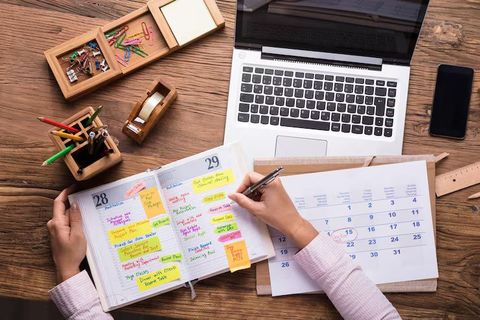
Learn Smart Exam Preparation Techniques for Better Results
Preparing for exams can feel overwhelming, especially when multiple subjects, deadlines, and expectations come together at once. The good news is that success does not always depend on studying longer hours. Often, it depends on using the right study methods for exams and building habits that improve understanding, focus, and memory.
Most folks think longer hours equal smarter prep - truth is, working wisely beats piling on time. Using methods backed by real results helps memory stick, keeps nerves calm, plus lifts scores. Inside this guide, clear steps show how to learn without doubt and do strong when tested.

Know the test layout and topics
Start by getting a clear picture of how the test is set up. Some learners jump into study mode but skip checking what’s actually covered, so they spend hours on stuff that barely matters.
Grab the syllabus first, then look up how the test is structured along with old papers. See if it's full of MCQs, brief responses, essays, or tasks that need working through step by step. That picture tells you where to aim your study time. One thing clear - clarity on format shapes everything after.
Create one listing that includes:
- Important chapters
- Frequently repeated topics
- Marks distribution
- Time limits for each section
- Difficulty level of subjects
By working this way, you can see what matters most - putting energy into spots that count. Effort goes further when it lands where results show.
Exam Prep Quick Plan
One way to start is by checking what subjects are included, along with how much each counts - set aside a couple of hours for that. Important areas deserve more attention, so give thirty minutes to decide which parts need extra effort. Working through past exams helps build quicker thinking, try doing this three or four times every week. Going over notes daily makes recall stronger, it just takes regular short repeats. Each week, take a full practice run under real test conditions to see how prepared you actually are.
A clear layout helps you stay on track without confusion. What matters is knowing where each piece fits. This kind of setup guides your focus naturally. One thing leads to the next, smoothly. Structure makes routine feel lighter. With everything in place, progress comes without effort.
Create a Smart Study Schedule
Study works best when time gets shaped on purpose. Rather than scattered efforts, build a rhythm across days and weeks touching every subject. A clear schedule stands out as a strong tool ahead of tests.
Start with a chunk of time - forty-five to sixty minutes - spent studying hard. After that stretch, take a pause. A break like this keeps your mind sharp, stopping it from wearing down too fast.
A balanced schedule should include:
- New learning sessions
- Revision time
- Practice questions
- Breaks and rest
- Mock tests
Take hard topics. Try slotting them into peak energy times - maybe dawn, maybe after dark. One trick: match tough tasks to when your mind fires up naturally. Mornings work for some. Others find focus once night settles in. Timing shifts person to person. Match effort to alertness. That rhythm helps. Some start strong at sunrise. Not everyone does. Energy waves differ. Work with yours.
sample daily study routine
Study Schedule Morning Review Practice Afternoon Learning Evening Revision Night Notes
Most of the time, doing a little each day works better than rushing at the end. A pair of solid hours daily adds up quietly but powerfully. What matters grows without noise.
Engage with Material Through Practice
What if studying felt more like doing? Sitting still with a book seems useful - yet minds wander fast. Try asking questions while reviewing; it sticks better. Instead of just looking at notes, explain ideas out loud. Memory grows stronger when you wrestle with meaning.
Open the book, then try doing something with what you see. Rather than just looking at pages, shape the ideas into actions.
Useful active learning methods include:
- Summarizing topics in your own words
- Teaching concepts to someone else
- Solving quizzes after each chapter
- Writing short notes from memory
- Using flashcards for key terms
Recall Over Rereading
Start by putting the book aside. What comes back when you think through it again? Pulling facts from memory builds strength. Try speaking out loud what was just covered. This method checks learning well. Instead of rereading, reach inward first.
Ask yourself questions such as:
- What are the key points?
- Is it possible for me to make this idea easy to understand?
- What formulas or definitions are important?
When you practice like this, your mind learns how to pull up details - just like it must do when taking a test.
Use Spaced Repetition
Looking back at a subject again, but after longer gaps each time, is what spaced repetition involves.
For example:
- Day 1: Learn the topic
- Day 2: First revision
- Day 5: Second revision
- Day 10: Third revision
Because it builds lasting recall, many see this approach as a top choice when preparing for tests.
Focus Better Stay on Task
Focus shapes how well you get ready. A top strategy might still fall short when interruptions chip away at your time.
A space made for studying helps attention grow. Pick somewhere calm, where light feels right, include just what you need close by.
Some simple ways to improve focus include:
- Keep your phone away while studying
- Use website blockers if needed
- Study at the same time daily
- Set small goals for each session
- Keep your desk organized
Try the pomodoro technique
A timer can help you stay focused when studying for tests. Some people find it easier to concentrate in short bursts. A break after twenty-five minutes might keep your mind fresh. Working nonstop often leads to fatigue. Stopping briefly could actually improve recall. Many swear by splitting work into chunks. One method uses intervals named after a tomato-shaped clock. Repeating cycles like this may boost how much you retain.
Follow this pattern:
- Study for 25 minutes
- Take a 5-minute break
- Repeat 4 times
- After some time has passed, pause for a quarter of an hour
Starting midday, a shift in thinking lowers fatigue while alertness stays high. Fresh thoughts stick around longer when energy drains slow down.
Set Session Goals
Start every study time by picking a single goal. What needs finishing comes first. One target keeps things moving. Focus lands on what matters right then. Clarity shows up when only one thing leads. The mind follows simple directions best.
Examples:
- Complete chapter 3 summary
- Solve 20 math questions
- Revise biology diagrams
- Memorize 15 vocabulary words
Getting clear on what needs doing helps people work better. Hitting those targets brings quiet satisfaction.
practice using mock tests and past papers
Start strong by checking your knowledge regularly. Trying old exams plus sample questions builds a clearer path from study to success. Each attempt shows where you stand.
Practicing under timed conditions helps students:
- Improve speed
- Understand question patterns
- Identify weak areas
- Build confidence
- Reduce exam fear
Sit somewhere silent, stick strictly to the clock. Pretend it is the actual test unfolding. Time yourself without pauses, just like on the big day.
Learn from Mistakes
Looking back at mistakes helps a lot once a practice test ends. That moment of review? It can teach way more than just taking the exam did.
Ask these questions:
- What subjects led to errors?
- Could it have been ignorance, or perhaps the rush that caused it? Maybe understanding wasn’t there - or maybe the clock was just too tight.
- Did someone make sloppy mistakes?
- What parts dragged on longer than expected?
Start by jotting down errors that keep showing up in a dedicated notebook. Over time, flip back through it now then again to sharpen weak spots. When old slips appear fresh ink beside them helps lock new patterns in place. Revisit these pages often so progress sticks without force. Each entry becomes a quiet reminder of how practice shapes skill.
Wrong answers become lessons when using this approach. It works well by focusing on what went off track during test prep. Mistakes help shape better understanding instead of just being errors. Learning grows stronger each time a slipup gets reviewed carefully.
Build Strong Revision Habits
Most learners go over tons of material only to lose it by test day - without solid review, knowledge slips away. Getting through more pages does not help if nothing sticks around long enough to matter.
Most students do better when they spread study time into small chunks. Revisiting material often beats cramming it all at once. Quick check-ins help memory more than a single marathon session. Think twice about saving everything for the last day - shorter pauses work well across weeks. Going back again and again sticks better than trying to finish fast.
Good revision methods include:
- Summary notes
- Mind maps
- Formula sheets
- Keyword lists
- Flashcards
Create One-Page Notes
For every chapter, prepare one-page notes that include:
- Main definitions
- Important formulas
- Key concepts
- Dates and facts
- Common questions
Right when time runs short, these pages start making real sense. Just before test day hits, they turn into something you actually reach for. Moments count most then - this is what helps keep things clear.
Use bullet point revision lists
Example revision checklist:
- Revise key definitions
- Practice important formulas
- Review mistakes from mock tests
- Read chapter summaries
- Try these fast review exercises
Because of this, going over your work feels lighter. It takes the weight off each step. Things flow easier now. Without pressure building up. Each part connects more naturally. The load suddenly seems smaller. Even the tough spots feel manageable.
Maintain Health and Exam Confidence
Starting strong means more than just opening textbooks. How you feel inside shows up in how you do on tests. Being tired or stressed changes what happens when answers matter most.
When nights are short, meals lack balance, because pressure builds up - thinking slows down, recall fades away. Memory slips when food choices weaken, while tension piles on top, thought grows thin. Without rest, energy drops off; unclear moments stretch longer each day. Heavy days pile high, focus drifts apart unless quiet returns slowly.
Focus on healthy habits such as:
- Sleeping 7 to 8 hours
- Drinking enough water
- Taking short walks
- Eating balanced meals
- Practicing deep breathing
When the mind feels quiet, thinking clears under test pressure. Exam results often improve if thoughts stay settled. A steady head handles questions more smoothly than a rushed one.
Keep Calm and Steady
Starting strong often comes from believing in your own pace. When you skip the habit of measuring yourself against classmates, focus grows.
Start by sharpening how you get ready - each step builds better results. A stronger routine opens new paths without needing shortcuts.
Simple mindset tips:
- Celebrate small study goals
- Focus on progress, not perfection
- Stay consistent
- Trust your preparation
- Use positive self-talk
Confidence mixed with smart prep tends to lift grades. A different way through material shows up clearly in scores.
Final Thoughts
Start strong by mastering better ways to get ready for tests - this changes everything. Not endless nights plus cramming at dawn, but clear schedules instead, doing things that keep your brain engaged. Try answering questions often; it builds real confidence over time. Skip the burnout path, choose balance - the kind that includes sleep, movement, meals. What matters shows up not just in scores, in how you feel too.
Starting early helps the mind hold onto ideas longer. A schedule built step by step keeps effort steady instead of rushed. Trying past papers shows where gaps hide, making weak spots clearer. Going over material again and again strengthens recall without strain. Staying present during sessions means fewer distractions slow progress down.
Most times, doing well on tests does not come from longer hours at a desk. Progress shows up when effort meets smart habits, steady routines link with daily choices that make learning stick.