Learning Through Games Overview: Explanation and Educational Insights
Learning through games has moved from a niche concept to a widely recognized educational approach. It blends structured learning objectives with interactive gameplay, creating an engaging environment for learners of all ages. This method is not limited to digital games; it includes board games, simulations, puzzles, and role-playing activities that encourage participation and curiosity.
Today’s students do not just sit and listen without doing much. They jump into lessons, test ideas out themselves, then piece things together through real involvement. Because of this change, classroom games fit right in - bringing energy, fun, even surprise to how concepts take shape. A lesson can start with a challenge. What follows often sticks far better.
Learning Through Games Explained
Games can help people learn by using points, levels, or tasks during lessons. Because they include clear rules and instant responses, students often grasp ideas faster. A challenge here, a small reward there - these pieces keep attention focused. Instead of just reading, learners do something active. Feedback shows progress right away. This mix makes remembering facts feel less like work.
Games in class might look different every time - sometimes quizzes, sometimes challenges, sometimes stories where choices matter. What matters most? Turning regular teaching moments into something that pulls students in, keeps them questioning, makes them want to figure things out. Not just listen. Do.
Games often include elements such as:
- Clear goals and objectives
- Immediate feedback on actions
- Levels or progression systems
- Rewards and achievements
- Problem-solving tasks
Learning becomes a path full of moments that surprise, not just another chore on the list.
Games Help People Learn
Curiosity kicks in when games enter the scene, pulling people into learning without them noticing. Emotion lights up the brain, making moments stick longer than usual. Competition sneaks in, pushing effort further than expected. Achievement shows up quietly, building confidence along the way. Minds stay active, focused on solving instead of memorizing. What sticks isn’t forced - it grows from doing.
What stands out most is how people get involved right away. Rather than just hearing information, they choose paths, try approaches, face results. Because of that, ideas stick more clearly, thinking through challenges grows sharper.
Staying driven matters just as much. Hitting goals in games brings a quiet kind of pride, thanks to points or levels earned. When things get tough, that feeling nudges players forward instead of letting them drift away.
How Games Shape Thinking
Because games tap into how people naturally learn, they fit well in classrooms. When students play, their minds engage without realizing it’s education happening.
- Reinforcement theory: Rewards and feedback strengthen learning behavior
- Constructivism: Learners build knowledge through experiences
- Flow theory: Balanced challenges keep learners fully engaged
- Hands-on experience shapes understanding when you look back on it. Doing something yourself leads to insights later. Action followed by thought creates knowledge. What you live through teaches more than theory alone. Reflection after activity builds real grasp of ideas
Games build spaces where picking up new things seems effortless, almost by accident. Fun slips in while focus is elsewhere.
Learning Types Found in Games
Games in school come in many forms, yet every kind aims at a separate goal. Picking the best one gets easier when you know what each does.
Digital Educational Games
Games on screens now show up everywhere in classrooms. From phones to desktops, these programs turn lessons into interactive experiences. What once felt like play has become a way to learn math, languages, even science - without opening a textbook.
Stories come alive through movement and choices inside these games. When numbers or experiments turn into something you do, they stick better. For science or words, that hands-on feel changes how minds connect. Some players find tough ideas click when woven into a journey. Each challenge moves the plot forward - learning sneaks in between.
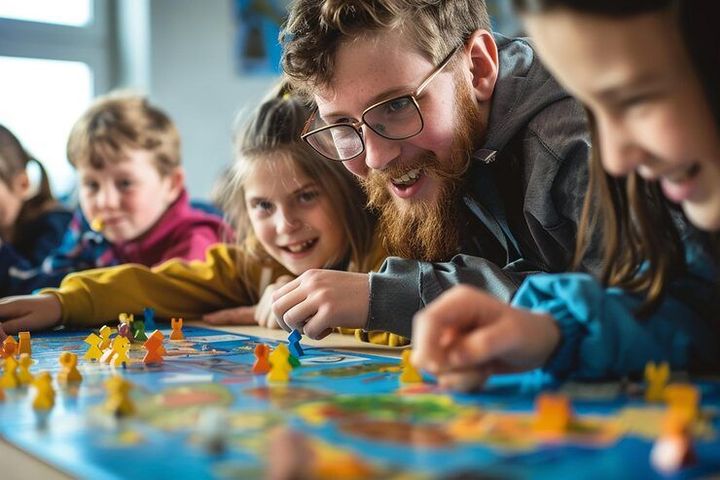
Board and Card Games
Games like chess or poker aren’t just old pastimes - they build real talk between people. Because players sit together, they learn how others think without screens getting in the way.
Puzzle challenges pop up in many forms, like board-style setups where players plan several moves ahead. Some rely on recalling sequences, testing how well the mind holds information over time. Others build language skills through letter patterns, pushing thought processes in new directions.
Simulation and Role Playing Games
Out here, simulation games mirror everyday challenges so people can try things without risk. Acting through moments comes into play with role-based ones, giving room to see life through someone else’s eyes instead of just talking about it.
Games such as these find their place most often within business, yet they also show up in clinics and classrooms alike. What stands out is how often they appear where decisions matter, whether tracking patient outcomes or mapping group behavior. Not limited to one arena, they shift easily between boardrooms, hospitals, even community studies. Their role grows quietly but steadily across areas where choices shape results.
Learning Through Games
Games shape learning in ways stretching past grades alone. Through play, thinking skills grow alongside feelings and connections with others.
Some key benefits include:
- Improved engagement and attention
- Better retention of information
- Enhanced critical thinking skills
- Increased motivation to learn
- Development of teamwork and collaboration
- Strengthened problem-solving abilities
Mistakes slip out easily when play is involved. Trying again just happens, without stress hanging around. Growth tags along, quiet and steady.
Skill Growth Using Games
Games come in many forms, each building unique abilities. Look at the list underneath to see what skills match which kind of play.
Puzzle Games Build Thinking Skills Through Riddles. Strategy Games Improve Planning With Resource Challenges. Simulation Games Apply Real World Ideas Using Virtual Trials. Role Playing Enhances Communication By Acting Situations. Quiz Games Strengthen Memory Through Question Practice
Because of these differences, using games in education fits many topics, while also matching how various students learn best.
Challenges and Limitations
Games can make learning easier, yet they bring some difficulties too. Seeing where they fall short makes them more useful in real situations.
A tricky part? Keeping play and teaching in step. Too much laughter might drain the lesson away. Yet heavy facts can make eyes wander off instead.
Some people struggle just to get online. A lack of gadgets or stable connection means interactive learning games aren’t always an option.
Still, getting sidetracked can happen. Winning might grab attention more than grasping what the game tries to teach.
One way to tackle these issues? Build games around straightforward goals that shape what players learn. Guidance shows up best when woven into the play itself, not handed down like rules. What matters often hides in how support feels part of the action, not apart from it.
Game Based Learning Implementation
Games work best when they fit clearly into what students need to learn. Not every game belongs - only those that connect directly to lessons make sense. Thought goes into how each activity supports growth. The goal shapes the play, not the other way around.
Teaching Approaches That Work
Educators can use the following strategies to incorporate games effectively:
- Before rolling out a game, pin down what students should learn. Goals shape how the activity unfolds. Knowing the aim keeps everyone on track. Clarity comes first when blending play with lessons
- Pick activities suited to how well students can play. For those still learning, simpler rules work better. When tasks fit their abilities, progress comes easier. Matching challenge to skill keeps things moving smoothly
- Provide instructions and guidance during gameplay
- Encourage reflection after the activity
- Games can add something extra to lessons, yet they should never take the place of actual instruction
One way to check how well the game works is by looking at what students actually learn. When participants share their thoughts, changes can be made next time around.
Tips for Learners
Starting strong helps learners get more from games when they pay attention. A fresh mindset opens doors while playing along. Focus shifts happen naturally through trial after test. Small wins build slowly during each round played out loud. Mistakes turn into clues once patterns show up clearly later on. Progress sticks around longer if practice feels light instead of forced
- Focus on understanding the concepts, not just winning
- Reflect on mistakes and learn from them
- Collaborate with others when possible
- Stay engaged and participate actively
Small changes might improve how you learn, bringing clearer outcomes. A different approach could shape your progress in ways that feel more natural. Trying new patterns may help things stick, making each step forward count.
Learning Evolves with Game Play
Games might just shape tomorrow's classrooms, thanks to tech upgrades and shifting school demands. Virtual worlds, digital overlays on reality, along with smart systems that adapt, are quietly reshaping how lessons feel during play.
Imagine stepping into lessons where ideas come alive through hands-on experience. Picture digital worlds letting pupils test theories or walk through moments from the past. One moment they’re mixing chemicals in a lab that isn’t there - next, they’re standing in ancient Rome watching history unfold.
These days, playful elements pop up everywhere - even in job training sessions at big companies. Not just classrooms anymore; grown-ups keep learning through games too.
Games might just stick around longer than we think once schools start swapping textbooks for playful tasks. Picture this: fewer lectures, more doing stuff that feels like fun. Learning could shift when points matter as much as grades do now. Imagine classrooms where level-ups beat detention slips any day. Maybe focus comes easier when rules feel loose but goals stay clear. Engagement often hides in places that do not look like work. Access opens up when screens act less like tests and more like toys. Effectiveness sneaks in if nobody notices they are memorizing facts during boss fights. Change usually creeps in slow until it is everywhere.
Conclusion
Games open doors to knowledge by pulling students into lessons without feeling like schoolwork. Not only do they spark interest, but they also stick ideas in memory through doing. Instead of sitting back, players move forward - making choices, facing results. This way of learning feels less like instruction, more like discovery. What happens? Attention grows. So does grasp of tough topics. Moments of play become moments of progress.
Starting with small tasks, then adding points for progress, turns learning into something people join by choice. When done right, even the tough parts become easier to manage. A steady flow of replies keeps effort going. Mistakes turn into steps forward when guidance follows quick. Though it takes planning, putting pieces together well brings real results.
Games might just keep step with tech’s pace, shaping how people pick up new skills. With each shift, they adapt - fitting into lives that demand speed, variety, less rigidity. New ways of grasping ideas emerge quietly, tucked inside play. These moments build readiness, though not always noticed right away.