Vocabulary Building Techniques: A Complete Guide for Better Language Skills
Strong vocabulary skills play a vital role in communication, comprehension, and confidence. Whether you are a student, professional, or lifelong learner, expanding your vocabulary helps you express ideas clearly and understand others more effectively. Many people search for ways to improve my speech and vocabulary, and the good news is that vocabulary building is a skill anyone can develop with consistent practice.
Start strong by diving into real-life methods that grow word power step by step. Ways you can actually use come alive through clear practice. A steady path opens when learning feels like doing. Each move forward sticks better with hands-on effort. Clarity builds as habits form without flash or noise.
Why Building Vocabulary Matters
Words matter when talking or writing. Because of a wider word choice, expressing ideas becomes clearer. Understanding tough concepts? That gets easier too. Reading feels smoother with stronger vocabulary skills. School and work often benefit from knowing more words.
Confidence grows when grown-ups work on their word choices, especially during talks, speeches, or putting thoughts on paper. Choosing the correct term at the right moment matters more than memorizing complex terms.
Daily Habits That Help You Learn New Words
What matters most? Sticking with it every single day. Tiny actions - done regularly - build up slowly, then change everything.
Here are some effective habits you can adopt:
- Read for at least 15–20 minutes every day
- Note down unfamiliar words and their meanings
- Practice using new words in sentences
- Review previously learned words regularly
- Engage in conversations using newly learned vocabulary
Every time you dive into stories, reports, or long reads, your mind picks up new terms without trying. A small journal - or even a note on your phone - where you jot down strange or interesting words makes them stick better.
Ways to Learn New Words
Some ways can help you learn new words without it feeling hard. The best fit might change based on how you pick up information easily.
Context-Based Learning
Picture this: picking up new terms while reading how they fit into real talk beats just studying textbook meanings. Spotting a word tucked inside a sentence shows you not only what it means but also how it feels and when to use it.
Take the word “elated.” See it in action through a sentence such as:
Happy surprise filled her when the finish line came into view. The target had been met, without warning it seemed. A quiet glow settled in where doubt once lived.
Because it sticks better, people actually use what they learn. Still, the real test is whether skills last beyond the first try.
Word Association Method
Picture something you already know when learning a new term - it sticks better that way. Try connecting the word to things you recognize easily
- A similar-sounding word
- A personal experience
- A picture or a tale
Picture-heavy methods tend to stick better with those who learn by seeing.
Root Words and Prefixes
Breaking down word parts lets you figure out meanings on your own. Sometimes a familiar beginning or ending reveals what the whole thing means. Start there when stuck on an unknown term. A small clue can open up the rest.
For example:
- “bio” means life
- “graph” means writing
A person's whole story gets shaped into words when we talk about biography.
Spotting these shapes helps you figure out words even when you skip the dictionary.
Technology helps build vocabulary
Out there, tech gives us plenty of ways to learn words by doing. Some people search for an app that builds vocabulary when they want to get better.
App features worth noticing
When choosing the best vocabulary builder app, consider the following features:
- Daily word challenges
- Interactive quizzes
- Progress tracking
- Example sentences
- Pronunciation guides
Fun keeps learners coming back when apps turn word building into a game. Points, daily wins, little badges - these bits add up without feeling like school. Each small win links to the next, pulling you further. Progress shows in steps that feel light, almost accidental. The brain tags along, tricked by joy.
Tools online mix well with old-school techniques to speed up how fast you learn. Not every method works alone, but together they push progress further.
Practice Activities for Building Word Skills
Without doing it regularly, words stay stuck in your head. Try these activities as part of how you usually study.
Writing Practice
Start mixing fresh terms into brief writings now. Try jotting down thoughts with unfamiliar vocabulary each time. Because building sentences this way strengthens grasp of meaning. A different word today might stick better tomorrow. Practice shapes how easily ideas connect on paper. New phrases appear less strange after a few uses. Writing small pieces often makes expression feel more natural. Each attempt adds clarity without extra effort.
Speaking Practice
Start weaving fresh terms into talks each day. When you say them out loud, your mouth learns the shape of the sounds - confidence grows without notice. A word spoken is a step forward.
Flashcards
Start strong with pieces of paper that test your recall. Try one at a time - either hold them in hand or tap through on a screen.
Word Games
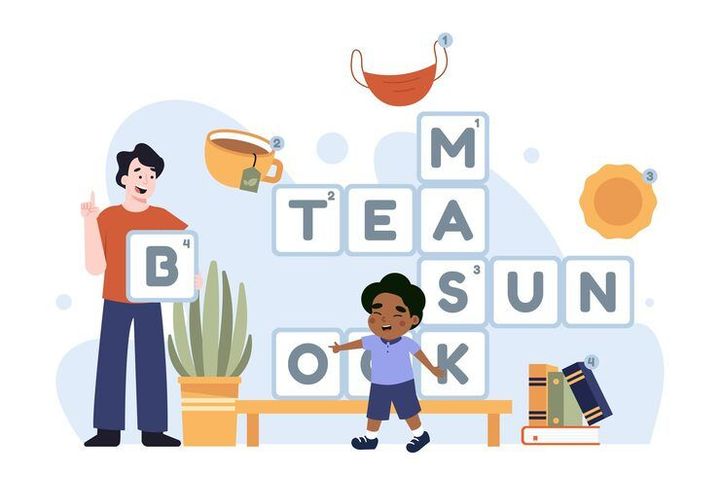
Word games bring joy while building skills. Try crosswords, where clues lead to answers one letter at a time. Scramble challenges rearrange letters into real words under pressure. Hangman tests how well you guess before running out of tries. These activities turn practice into play without feeling like work
- Crossword puzzles
- Word association games
- Vocabulary quizzes
Playing games while studying keeps things light yet effective. A break from routine can still teach something new. Even quiet moments add value when they connect to what was learned before.
Sample Table Vocabulary Learning Plan
A week unfolds ahead, offering a clear path forward. This outline keeps actions steady through each day. Each step links to the next without pressure. Follow it loosely, adjust where needed. Consistency grows when rhythm feels natural. Small moves add up just like that.
Words fill the start of Monday. Twenty minutes set aside for five fresh ones. Notes come next on Tuesday. Reading brings twenty minutes of jotting down terms. Sentences form by Wednesday. Writing takes twenty-five minutes to shape them. Old words return Thursday. Fifteen minutes spent looking back at what was learned. Speaking slips into Friday. Conversations use twenty minutes to test recall. Quizzing shows up Saturday. Half an hour checks memory strength. Reading wraps Sunday. Revision blends with relaxation across twenty minutes.
Step by step, progress sticks better when there's a clear path to follow. Without one, pieces tend to slip away over time.
Common Mistakes to Avoid
Most people stumble in predictable ways when they're picking up new words. These missteps quietly eat away at momentum without them noticing.
- Memorizing words without understanding context
- Learning too many words at once
- Not revising regularly
- Avoiding practical usage
- Ignoring pronunciation
Mistakes skipped mean progress that feels smoother, plus moments filled with less frustration. Learning becomes something you actually look forward to instead of push through.
Tips for Long Term Vocabulary Improvement
Every day brings new chances to grow your word collection. Try these ideas if you want steady improvement over time
- Set realistic daily or weekly goals
- Use new words regularly in speech and writing
- Keep updating your list of words to improve vocabulary
- Stay curious and explore new topics
- Practice active listening during conversations
Some people trying to grow their word knowledge do better when they mix different approaches instead of sticking to just one way.
Vocabulary Building for Different Needs
Different goals require different approaches to vocabulary learning.
Academic Vocabulary
When studying, pay attention to the words tied closely to each topic. Textbooks often use a certain kind of wording that shows up again during tests. Instead of casual speech, lean into how ideas are named in class materials. That way, what you learn matches what gets asked later. Matching the language helps make answers clearer. It builds familiarity with how questions are framed by teachers.
Professional Vocabulary
Working well with others means knowing the words experts use in your field. Grasping common expressions helps avoid confusion during tasks. Clear talk on the job often comes from understanding key labels and names. Getting familiar with standard wording makes teamwork smoother. Knowing what colleagues mean builds better daily exchanges.
Everyday Communication
Start with everyday expressions if you want smoother talks each day. Pick familiar terms instead of rare ones to sound more natural. Clarity grows when simple phrases replace complex word chains. Fluency comes easier once basic patterns stick through regular use. Practice builds comfort over time without needing special tricks.
When you know what you’re aiming for, picking useful words and ways to learn gets easier. What guides your goal shapes how you practice and speak. Figuring out the target shifts which tools feel natural. The reason behind learning changes how you move forward. Knowing why you start affects every choice after that.
Tracking Your Progress
Staying on top of your progress can spark motivation while shining a light on where things might need tweaking.
You can track your vocabulary growth by:
- Maintaining a vocabulary journal
- Taking regular quizzes
- Recording yourself speaking
- Reviewing weekly achievements
Progress you can see keeps effort steady while growing belief in results.
Conclusion
Word power grows strong when you speak clearer, feel steadier, yet understand deeper. Through smart habits plus daily practice, most people slowly gain more words they know well.
Each day, picking up a book or tapping into a solid word-learning tool moves you forward. Grasp meanings first, then repeat them often - use them where they fit. Small steps stick better when done again and again.
Start small each day, yet stay consistent - growth comes quietly when you keep showing up. Curiosity pulls learning forward more than effort ever could. Expressing yourself clearly begins to feel natural after weeks of tiny steps. Understanding deepens without warning, like roots spreading beneath soil.