Flipped Classroom Basics: A Guide to Implementation and Learning Tips
The flipped classroom is a modern teaching approach that changes how students engage with lessons. Instead of receiving instruction in class and doing homework later, students first explore new material at home and then use classroom time for discussion, practice, and deeper understanding. This shift encourages active learning and gives both students and educators more meaningful ways to interact.
Now here's something teachers are trying: lessons happen at home through videos, while class time is for doing work with help. Some kids learn by watching, others by doing - this way lets both kinds move at their own pace. Questions come up during activities, answers come right then. Instead of sitting quiet, students talk, test ideas, figure things out together. What used to be homework now fits into school hours. The teacher walks around, notices who struggles, gives tips before frustration builds. Learning sticks better when it feels like building, not just listening.
Flipped Classroom Meaning?
Out here, learning kicks off ahead of class instead of inside it. Lessons start with videos, texts, or digital tasks on your own time. Once everyone meets, that’s when digging into problems begins. Working together takes center stage while questions get sorted face-to-face.
Learning by doing shapes how lessons come alive. Because of this, educators find extra room to help each learner one at a time.
Key characteristics include:
- Pre-class learning through digital or printed resources
- Working through problems took up class time. Solving real examples filled the lessons. Thinking deeply about ideas happened together. Using knowledge in practice shaped each session. Examining details stood at the center of work
- Greater interaction between students and teachers
- Emphasis on student-centered learning
Flipped classroom model advantages
Learning works differently when class time shifts. Instead of listening all day, students explore ideas before meeting. This setup invites curiosity during lessons. Teachers find it easier to support each learner when basics are already covered. Flexibility grows when video or reading comes first. Class becomes less about speaking at desks, more about doing together. Moments once lost to lectures now turn into chances for questions, sharing, building.
Students often benefit in the following ways:
- Home review lets them set the speed of learning. Pacing shifts happen naturally there. Each person moves through content differently once they’re alone. Speed depends on the individual, not a schedule. Some take longer. Others finish fast. The room changes how quickly they go
- Questions come up easier when there is extra minutes in the lesson. Practice slips into conversation without feeling forced. Time stretches just enough for things to stick
- Built-in smarts grow sharper when challenges stack up. Figuring things out becomes easier over time. Smarter choices pop up where confusion once lived
For educators, there are upsides too
- More time to address individual learning needs
- From classroom exercises comes a clearer view of how students grasp ideas
- Opportunities to use creative teaching methods
Together in class, learners team up rather than study alone - this approach builds teamwork naturally. Not apart, but side by side, they solve problems through shared effort.
Flipped classroom setup steps
One step at a time makes the shift smoother for everyone involved. Trying just one lesson this way gives room to learn without pressure. Change grows best when it begins quietly, not loudly. A single adjusted class period might be enough to see what works.
Step-by-Step Approach
Start by picking a single subject to cover. Tell learners exactly what they should look at ahead of the session. Offer straightforward resources like brief clips instead of long texts. Choose reading pieces that are short, easy to follow.
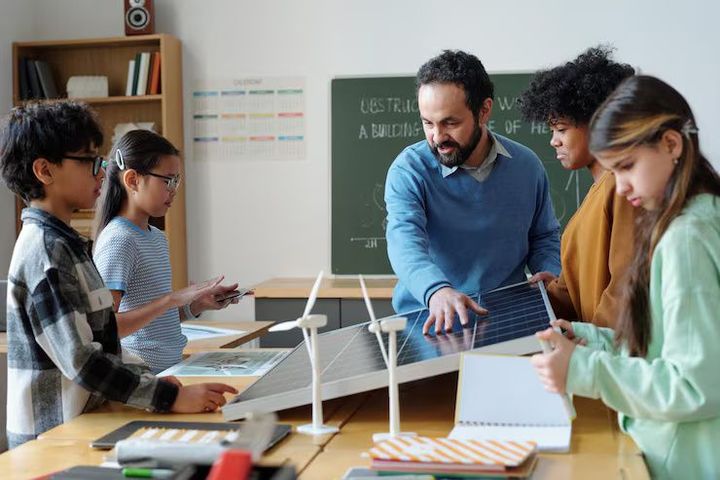
Midway through the lesson, try turning theory into hands-on tasks. Instead of just talking, spark conversation in small clusters. Puzzles tied to real situations often get students thinking deeper. Working together on challenges keeps energy up.
Start by asking learners what they think. That way you see what works, spot gaps too.
Tools and Resources
For help putting things into practice, teachers might try different resources
- Video platforms for recorded lessons
- Learning management systems for sharing materials
- Online quizzes for quick assessments
- Discussion forums for student interaction
Keeping resources organized and easy to access is essential for success.
How students can learn better
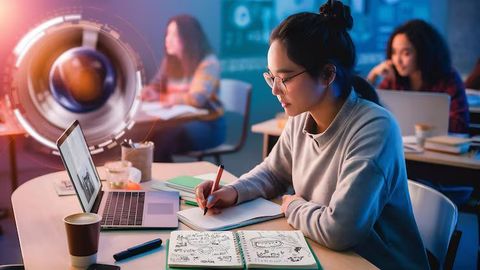
For students, how they show up shapes whether the flipped classroom works. When routines stick, class feels less like effort, more like flow.
Here are some practical tips:
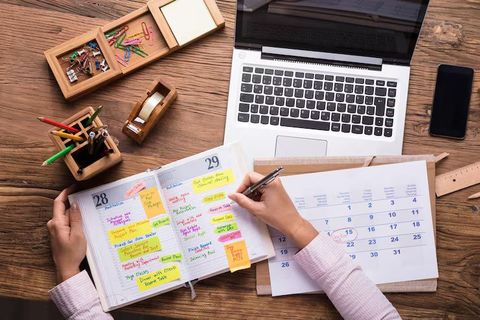
- Set a regular schedule for reviewing pre-class materials
- While you watch or read, jot down thoughts. Writing things helps remember them later. A moment spent noting keeps ideas clear. Each point recorded makes understanding grow. When learning, capturing details matters most
- Write down questions to ask during class
- Participate actively in discussions and group work
Showing up ready matters. When learners interact with content ahead of time, they walk into class able to participate fully while gaining stronger understanding.
Common Challenges and Solutions
Though flipping the classroom offers advantages, difficulties often show up too. When you see what's getting in the way, better fixes come into view.
It often happens that students show up unready. Without looking at notes ahead of time, gaps appear. When this occurs, instructors might step in with quiet support instead of waiting
- Use short quizzes to check understanding
- Keep materials concise and engaging
- Clearly explain the importance of preparation
Some learners struggle just to get online. A slow connection might block their way. Others lack a working laptop or tablet at home. When that happens:
- Provide downloadable or printed materials
- Take moments during class to go over material again
- Offer flexible options for accessing resources
Change takes patience, especially for those guiding students each day. One small step at a time helps, along with talking things through with others on the same path.
Traditional Versus Flipped Classroom Compared
Below is a simple comparison to highlight the differences between traditional and flipped classroom approaches.
Inside school walls, lessons happen live. At home, students watch material ahead of time. Instead of quiet desks, classrooms buzz with group tasks. Rather than just listening, learners discuss and build together. After school, they used to solve problems on paper. Now, applying ideas unfolds while teachers walk around helping. Pupils once sat back, taking notes without speaking up. Today, they question, test, shape things hands-on. The instructor stood alone at the front sharing facts. They now move between groups, guiding next steps quietly.
Looking at it differently, the flipped setup puts energy into doing things hands on instead of just listening. Learning sticks better when students work through ideas themselves rather than wait for answers.
Ways to Keep Going Over Time
Sticking with a flipped classroom means showing up the same way each day, while also finding small upgrades along the path forward. Teachers shift what they do, just like learners adjust how they engage - change isn’t sudden, it builds slowly. The rhythm grows stronger when everyone tweaks habits bit by bit. Over weeks, new patterns settle into place without force. Progress hides inside repeated effort that never stops refining itself.
Effective strategies include:
- Keeping pre-class content short and focused
- Using a variety of learning materials
- Encouraging collaboration among students
- Regularly reviewing and updating teaching methods
A space where learners can speak up matters just as much. When kids know they won’t be judged, thoughts flow easier.
When learners share their thoughts, it shows which parts click and where things fall short. Hearing them out shapes how lessons evolve.
Conclusion
Inside classrooms, learning takes new shape when lessons move beyond walls. Instead of listening first, students explore material ahead - then dive into doing together once gathered. This way, ideas stick better because minds engage differently. Time together becomes less about speaking at and more about building with.
Starting off, good planning matters when using this way to teach. Still, the rewards show it's worth trying today. Teachers who stay flexible often see better results. Students adjust well once they get used to it. A steady effort from everyone leads to real progress. Worthwhile outcomes come through consistent work together.