Hybrid Learning Models: A Complete Guide to Basics and Key Insights
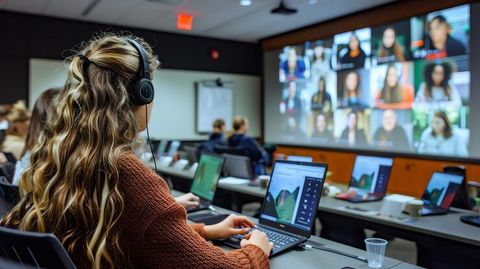
Hybrid learning models have become a central part of modern education. They combine traditional in-person instruction with digital learning methods, creating a flexible and balanced approach. This model allows learners to access educational content both inside and outside the classroom, making learning more adaptable to individual needs.
Out here, digital tools are shifting how learning works. Schools, colleges, workplaces - each space now mixes online and face-to-face methods differently. This blend isn’t new, yet it’s gaining ground fast. How people teach and learn is quietly transforming. Relevance grows where access meets flexibility.
Hybrid Learning Model Explained?
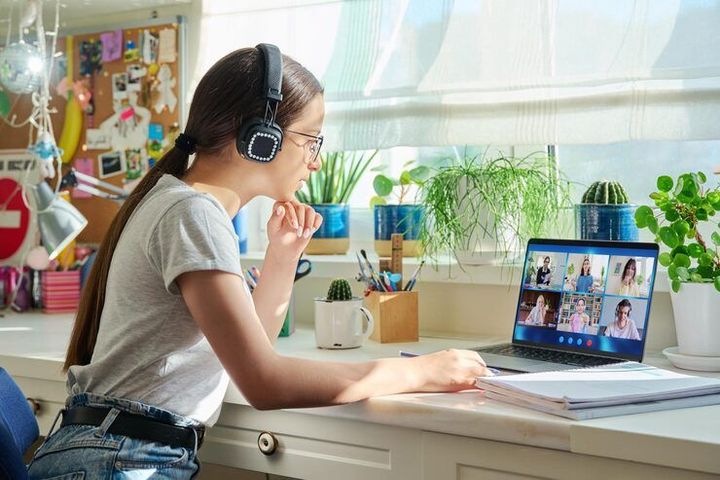
Some days you're in a classroom, other times clicking through videos at home. This mix means showing up for lectures yet logging into forums later too. Learning happens both ways - chalkboards alongside screens. One moment it's group talk in person, next it's typing replies after dinner.
Not quite digital, not quite classic - this method keeps students in actual rooms while weaving tech into daily lessons. Instead of choosing one extreme, it blends face time with smart tools woven through regular teaching.
Hybrid Learning Key Features
- Combination of in-person and online instruction
- Flexible learning schedules
- Access to digital tools and resources
- Increased student autonomy
- Interactive and collaborative opportunities
Starting fresh each day, teachers find new ways to shape lessons that fit how students actually learn. A mix of online and face-to-face time opens doors most classrooms once kept shut. Instead of one-size-fits-all routines, flexibility grows where it's needed most.
Hybrid Learning Models Types
A mix of classroom and online teaching can take many forms. Some setups work better for certain aims, others fit specific learners. Each version shapes itself around what students require.
Rotation Model
One way this works is by having learners switch spots during class time. Each stop could be a new activity, sometimes guided by the teacher, at other times done alone. Moving around helps mix how they take in ideas. Some stations involve group talk, others call for quiet focus. The setup changes often so attention stays sharp
- Teacher-led instruction
- Online learning activities
- Group discussions
Learning stays steady when structure meets personal exploration now and then.
Flex Model
Online learning takes center stage in the flex model. When questions come up, teachers step in - offering help without taking over. Guidance appears quietly, just in time.
Some people learn better when they set their own speed. That is where this approach fits in nicely. Moving step by step without pressure helps them stay focused. The structure supports slow progress just fine. Progress happens quietly, not rushed.
Enriched Virtual Model
Most coursework happens online, though students show up for certain meetings face-to-face. Higher ed and career-focused courses often go this way.
A La Carte Model
Some classes happen through screens, yet others fill real rooms with students. Flexibility grows when choices split between digital and face-to-face paths.
Hybrid Learning Models Benefits
Learning that mixes online and classroom methods brings benefits to teachers and learners alike. Blending face-to-face time with web-based tools creates a flexible setup.
Flexibility and Convenience
Learning moves how each student wants, revisiting topics when it helps most. Because of this, fitting school around life becomes possible instead.
Improved Engagement
When learners dive into quizzes or watch a quick video, attention sticks. Participation grows once they start chatting in forum threads instead of just reading. Each click pulls them deeper than passive pages ever could.
Personalized Learning Experience
One way schools mix teaching styles lets teachers shape lessons around what each student requires. Where help is needed most becomes the main point of study for those who need it.
Better Resource Access
From videos to e-books, learners can explore plenty of online tools. Jumping into interactive quizzes comes right after checking out research databases. Tutorials show up alongside virtual labs when browsing study platforms. Audio lectures appear just before downloadable worksheets in resource menus. Navigating course materials often leads straight to forums and simulation software
- E-books
- Recorded lectures
- Online simulations
- Educational platforms
Enhanced Collaboration
Working together online helps learners connect with classmates outside school hours. Because of this, they build better ways to communicate while getting things done as a team.
Hybrid Learning Challenges
Though hybrid learning brings advantages, handling its difficulties demands attention. Still, balancing both modes isn’t always smooth. At times, technical issues slow things down. Some learners struggle without consistent routines. On the other hand, flexibility can cause confusion. Without clear structure, focus fades easily. Yet support systems help reduce these problems. Even so, coordination takes effort. In practice, success depends on how well disruptions are managed. Because each situation differs, responses must adapt.
Technical Issues
When the internet works well, lessons keep moving. A shaky connection might stop students mid-task.
Time Management
One moment you’re logging into a lecture, next you’re rushing across campus. Juggling both worlds often feels like spinning too many plates at once. Miss a step, tasks pile up fast. Staying ahead means mapping out each day - otherwise things slip. Overload creeps in when structure fades.
Teacher Training
Teaching well now means getting comfortable with tech plus handling classes that mix online and in-person students. Staying up to date calls for ongoing learning, one step after another.
Student Motivation
Staying focused might be tough for certain students learning online. Without someone watching closely, how well they do could slip.
Traditional vs online vs hybrid learning
A look at hybrid learning shows differences clearly. One way it works blends places, not just one spot. This method uses time in person mixed with moments online. Some find switching between settings fits their day better. It changes how people join, making access wider than before. The mix adjusts to different needs without copying old styles
Traditional Learning Versus Online Learning Versus Hybrid Learning
A mix of old-school classrooms and digital lessons shapes the way this setup works. What stands out is how face-to-face time blends smoothly with virtual sessions. One part relies on live interaction, while the other leans into recorded material. In practice, students move between physical spaces and screens without losing momentum. The balance shifts depending on needs, yet structure remains clear throughout.
Hybrid learning how to use it
Successful implementation of hybrid learning requires thoughtful planning and execution.
Build a Simple Framework
Some lessons happen online. Others take place face-to-face. Knowing the split keeps learners moving forward without confusion. Structure shapes how smoothly things go.
Use Technology Effectively
Start with tools that help learning instead of getting in the way. A platform works best when every student can navigate it without confusion.
Encourage Interaction
Create opportunities for student engagement through:
- Group discussions
- Live sessions
- Collaborative projects
Provide Continuous Feedback
From time to time, hearing what works - and what doesn’t - shows learners how they’re doing plus where to grow.
Support Self-Discipline
Start by helping learners build habits around organizing their day. Success in mixed learning settings often comes down to how well they handle their schedule, not just effort. One key piece? Knowing how to study without constant guidance. That kind of independence makes sticking to routines easier when things shift between online and classroom work.
Hybrid learning mixes online and classroom education
Expect hybrid learning to shift shape when tech moves forward. This way of studying might just settle into schools like it belongs there now instead of feeling new. A change most will accept without second thought.
Some schools now mix online with classroom teaching because students learn in different ways. Tools like smart software, simulated environments, or programs that adjust to each person could make blended lessons more effective. Instead of one-size-fits-all classes, these changes let education shift along with how people pick up new skills.
Learning that mixes online and classroom settings isn’t fading after a short run - it’s reshaping education for good. With time moving fast, this blend brings stability through adaptability, giving students space to grow without rigid structures holding them back.
Conclusion
Out of today’s classrooms rises a different rhythm. Not bound by walls alone, teaching now slips through screens just as easily. One moment faces gather in rows, next they appear on glowing tiles. Tools once kept separate - chalkboards, tablets - are tangled together. Rigid schedules soften when video replays allow second glances. Attention stretches further if quizzes pop up like quiet nudges. Learning breathes differently here. It moves without always asking permission.
True, hurdles show up now and then - yet smart preparation along with tech used well tends to clear most paths. Learning that blends in-person and online moments allows each student to move at their own pace, opens doors for more people, gets everyone ready for what comes next in a world run on digital tools.
When schools change, hybrid learning helps build how classrooms work today. Still, it’s not just about tech - ways of teaching shift too. Over time, mixing online with classroom lessons becomes normal. Even so, students adapt differently than teachers might expect. Through this blend, new patterns start to form slowly.