Study Goals That Work: Simple Explanation and Effective Learning Methods
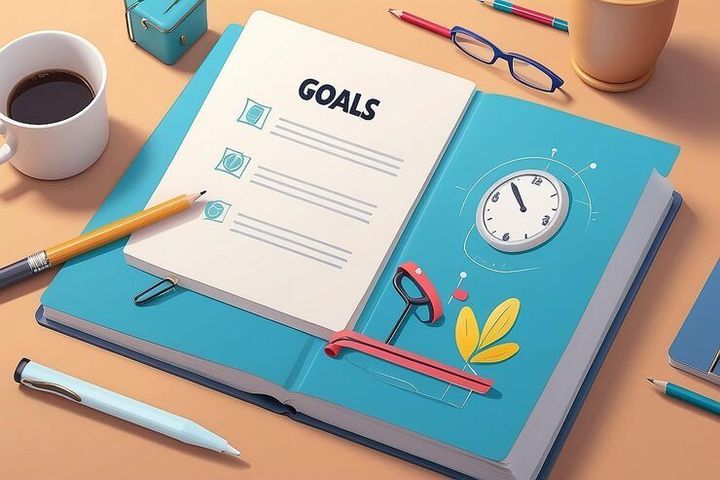
Setting study goals is one of the most powerful ways to improve learning. Many students spend hours studying but see little progress because their efforts lack direction. Clear and realistic goals help you focus, measure improvement, and stay motivated over time.
Most people never figure out what makes study targets actually stick. A clear reason drives better results, though few notice the link at first. Building habits around daily effort tends to go smoother when structure exists behind the scenes. Small tweaks shift momentum without extra time spent. Real progress often hides in plain sight, tucked inside repeatable steps anyone could follow.
Study Goals What They Are and Their Importance
Whatever you aim to pick up, having clear markers makes the path less blurry. These checkpoints shape each time set aside for learning, giving a way to see how far you’ve moved. Starting small often leads somewhere solid without needing loud promises.
Study without direction tends to drift, covering ground but not gaining depth. Moving from one subject to another can leave gaps where real learning should sit. With clear aims, things start making sense - noise fades into background. Focus sharpens when there is something specific to reach.
Some key benefits of having study goals include:
- Better focus during study sessions
- Clear sense of progress and achievement
- Improved time management
- Reduced procrastination
- Higher confidence in learning ability
Clear targets tell the mind where to focus. Learning becomes purposeful when there is less guesswork involved.
Study Goal Types Worth Knowing
Some study aims differ from others. Knowing these differences helps shape a well-rounded approach to learning.
Short-Term Goals
Hours, days, or just one week - that is where short-term goals live. Whatever you plan to finish fast fits right here. They shape how work gets done each day.
Examples include:
- Completing one chapter
- Practicing 20 math problems
- Reviewing class notes
Staying focused on near wins builds steady progress. One small step at a time keeps pressure low.
Long-Term Goals
Weeks, even months, unfold toward something larger when you keep long-term goals in sight. Purpose takes shape because of them, slowly guiding each step that follows.
Examples include:
- Preparing for final exams
- Mastering a subject
- Improving overall grades
When things get tough, having a future aim keeps effort going. A distant target can quietly pull you forward when energy fades.
Process Goals versus Outcome Goals
Starting with what you do shapes process goals, whereas ending at a destination defines outcome ones. Moving step by step matters here, yet reaching the endpoint takes center stage there. Actions guide one path, meanwhile results pull the other forward.
- Process goal: Study for 2 hours daily
- Outcome goal: Score above 80% in exams
Most solid study routines mix these two types. Doing things right each day keeps you moving, whereas hitting targets shows progress. Success comes from one thing leading to the next, yet results still matter in the end.
Study goals that fit your routine
Most people find it simple to list what they want. Yet making those wishes actually happen needs more than just ideas. A solid plan often makes the difference between trying and getting results. Following step-by-step techniques tends to work better than hoping for luck.
The Smart Method Explained
Goals work better when they’re specific. A target that’s measurable keeps progress visible. Realistic aims fit what you can actually do. Timing gives structure to effort. Clear steps make outcomes easier to reach
- Specific: Clearly define what you want to achieve
- Measurable: Track your progress
- Achievable: Keep goals realistic
- Relevant: Align with your priorities
- Time-bound: Set a deadline
A clearer way to see it appears below
What kind of aim you have changes everything. Studying science sounds nice but lacks shape. Picking a specific topic each day gives motion. Spending sixty minutes on biology chapter three brings focus. Daily effort adds up without needing motivation tricks. A set plan fits into routines like puzzle pieces. Time-bound targets stop tasks from drifting forever. Clarity arrives when hours and subjects lock together. Loose ideas float away. Fixed ones stick.
Success becomes clearer when goals are shaped with care. A well-defined target cuts through noise, making progress easier to track. Focus sharpens where direction is strong.
common mistakes to avoid
Some learners stumble on tiny errors, yet these slipups weaken how well their aims work out. A goal might seem clear until a slight misstep pulls it off track slowly.
- Setting goals that are too broad
- Creating unrealistic expectations
- Ignoring time limits
- Not tracking progress
- Giving up too quickly
Mistakes skipped, outcomes shift. Your success often hinges on what you leave out. Small tweaks here pull weight later. Leaving errors behind moves things forward. Progress shows when missteps fade. Skipping traps lifts performance. What vanishes matters most. Outcomes rise without them. Slip fewer times, gain ground. Fewer stumbles bring clearer wins.
Ways to Learn That Help Reach Study Goals
Most people stop after writing down their targets. Staying on track means picking techniques that actually work.
Active Learning Techniques
What if flipping through pages isn’t enough? Getting involved with what you’re studying changes how it sticks. Ideas make more sense when you wrestle with them, not just glance over. Remembering gets stronger that way.
Some effective techniques include:
- Summarizing topics in your own words
- Teaching concepts to someone else
- Asking questions while studying
- Solving practice problems
Deep thinking comes more easily when using these approaches. What matters is how they shape your understanding over time.
Spaced Repetition
Looking back on facts now and then helps lock them in your mind. Each check-in makes recall last longer.
Later on, you go back to what you learned before. Spreading it out helps when memory matters most.
Example schedule:
- Day 1: Learn topic
- Day 3: Review
- On day seven, go over it once more
- Fourteen days in: last look-over
Because it spaces out practice, memory stays stronger over time. Still, timing matters just as much as repetition does.
Time Blocking
Start by splitting your day into chunks, each meant for a particular task. This way of organizing makes it easier to manage what you need to study.
Example:
- Four o’clock rolls around, math work begins. Practice stretches into the next hour, steady without rush
- 5:15–6:00 PM: Science revision
- 6:15–7:00 PM: Reading
By cutting out noise, attention stays sharp. Distractions fade when the process runs clean.
Building a daily study routine
Each day, a clear study routine links what you aim for with what you do. Because of it, progress happens step by step without pause.
Build a Study Plan
Follow these steps to create an effective plan:
- Identify your subjects and topics
- Break them into smaller tasks
- Assign time slots to each task
- Include breaks between sessions
- Review your progress at the end of the day
Most times, plans that stay clear work better than those packed with steps. Starting small often leads somewhere solid.
sample daily study plan
Here is an example of a balanced study schedule:
Study Mathematics 4:00 PM. Break 5:00 PM. Science Revision 5:15 PM. Break 6:00 PM. Practice Questions 6:15 PM. Review Notes 7:00 PM
Fresh thoughts stay sharp inside this setup.
Motivation and Routine
Starting strong means nothing without follow through. Yet showing up each day matters far beyond sudden bursts of drive. Sticking to a routine beats waiting for inspiration every single time.
Tips to Stay Consistent
- Start with small and manageable goals
- Track your progress regularly
- Reward yourself after completing tasks
- Study in a distraction-free environment
- Maintain a fixed study routine
Showing up every time shapes how you handle effort. When that pattern sticks, reaching far-off goals becomes part of what feels normal.
Dealing with Procrastination
Most people put things off now and then. Tasks seem harder than they really are, which makes waiting easier.
To overcome it:
- Break tasks into smaller steps
- Start with the easiest task
- Use a timer for short study sessions
- Remove distractions like mobile notifications
Move forward, even just a bit at a time, so putting things off feels less tempting. Starting anyway keeps hesitation from growing stronger.
Tracking Progress Improving Results
When you keep an eye on how things are going, it becomes clear which parts are moving well and where changes might help. Staying aware like that? It fuels your drive to keep going.
Tracking study goals
- Maintain a study journal
- Use a checklist for daily tasks
- Track hours spent studying
- Monitor test scores and improvements
Staying on track often means checking in now and then. A routine glance back keeps things honest.
Changing How You Study
When things stall, try shifting how you approach them. Staying open to adjustment keeps learning on track.
Ask yourself:
- Am I achieving my daily goals?
- What topics deserve extra focus?
- Could my timetable actually work out? Let's see if it fits real life.
Little changes might just boost how well you do things. A tweak here or there often helps more than expected.
Creating Lasting Ways to Keep Learning
Success today isn’t the only reason to set study goals. These targets slowly shape routines, ones that keep curiosity alive far beyond any exam.
Good study habits include:
- Regular revision
- Consistent practice
- Focused study sessions
- Healthy balance between study and rest
Over time, doing these things every day makes picking up new stuff feel smoother. What happens is your brain gets used to the rhythm. Little by little, it stops feeling like work. Stuff sticks without you pushing so hard. The process just flows better when it's regular. After a while, effort fades into background noise. Learning slips in quietly during normal moments. It fits because it belongs now.
Little by little, progress shows up - grades start to rise, sure, yet a quieter shift happens too: trusting yourself around tough topics feels easier. A different rhythm takes hold when facing fresh material, almost without noticing.
Conclusion
Most days start clearer when you know what to learn. Hitting those targets feels smoother if practice includes recalling info later, breaking work into chunks, then showing up consistently. Goals shape the path - effort follows.
Start small if you want lasting results. Each day matters more than flawless outcomes. A steady rhythm changes how learning feels over time. Pick steps that fit your routine without strain.