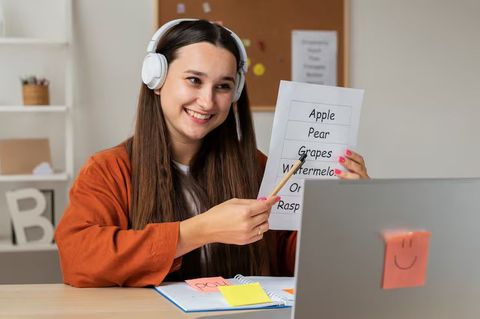
Using Humor in Teaching: Tips to Improve Student Attention and Understanding
Using humor in teaching is more than just telling jokes in the classroom. It is a purposeful strategy that helps create a positive learning environment, improves engagement, and enhances understanding. When used effectively, humor can make lessons more memorable and reduce anxiety among students.
Funny moments in class grab notice more easily than serious ones. When lessons include lightness mixed with clear structure, tough ideas start feeling less heavy. Some teachers find that laughter opens doors strict words cannot.

Humor Helps Students Pay Attention
Surprise tends to pull focus more than anything else. Long stretches of quiet work? They lose most kids before the bell rings. When laughter shows up, eyes come off desks, ears perk up. Emotions shift fast when something unexpected lands right in the middle of a lesson.
Laughter and grins spark dopamine flow inside young minds - suddenly focus sharpens, recall strengthens. Lessons stretch further when joy shows up uninvited.
Some key benefits include:
- Something shifts when routine fades. Lessons start moving differently. A new rhythm appears out of nowhere. Energy changes without warning. The usual feels distant suddenly
- Encourages active participation
- Reduces classroom stress and tension
- Maintaining attention gets easier when time stretches on. When minutes add up, staying sharp matters more. Long stretches test concentration - this supports steady alertness throughout
Laughter sneaks in a quiet wait for what comes after. When jokes land, eyes widen slightly - minds lean forward, wondering where it goes now.
Humor Styles For Teachers
Humor shifts shape inside classrooms - some fits, some does not. Picking what matches your aim matters, especially when young minds are watching.
light and relatable humor
Laughter slips in when stories feel familiar, like something you have seen before. Because of this, people pay attention while still feeling at ease.
Subject-Based Humor
Laughter slips in when lessons tie jokes to ideas. Picture a cell compared to a wobbly pizza shop run by squirrels - suddenly biology sticks. A pun about verbs tripping over nouns? Language clicks differently. Minds stay sharp because they’re busy smiling.
Visual and Situational Humor
Laughter sneaks in when doodles pop up during class. Memes? They click just right online. Role-playing tugs students into the moment. Screens don’t dull that spark - mix it with live talk and it hums. Distance fades a little then.
Self-Deprecating Humor
Laughter from a teacher, especially when aimed gently at their own slips, makes them feel more real. Still, balance matters - too much might blur the line they need to hold. A moment of self-amusement can draw students closer, yet never so far that guidance fades. Lightness works best when it doesn’t cost weight.
Using humor well
Laughter can walk alongside lessons without taking the lead. When fun meets focus, class stays lively but goals don’t get lost.
Here are some practical strategies:
- A funny story can open the class - something small, tied to what you're teaching. Sometimes laughter comes before learning begins. A moment of surprise helps minds wake up. It does not need to be loud; just real enough to stick. People remember when they chuckle first. The point lands better after a pause that feels human
- Use funny examples to explain difficult concepts
- Incorporate humor into quizzes or activities
- Encourage students to share appropriate jokes or examples
- Use timing carefully to avoid interrupting important explanations
Every now then, a joke helps. Still, doing it often builds a livelier room where students feel part of something. Routine matters just as much.
Balancing Humor And Professionalism
Just because laughter helps does not mean it always fits. Off-target jokes might make people tune out, or worse - lose respect for the speaker.
What to Avoid
- Sarcasm that may confuse or hurt students
- Humor targeting individuals or groups
- Too much of it pulls attention from studying
- Cultural references that may not be understood by everyone
Maintaining Respect
Jokes land better when everyone feels they belong. A classroom thrives once trust takes root. Laughter works only if no one is left out. Belonging starts when each voice matters just as much.
How humor affects learning results
Laughing while learning sticks better, studies plus real lessons back this up. When things feel fun, attention holds tighter - facts tend to stay put inside heads longer.
Below is a simple comparison of traditional teaching versus humor-integrated teaching:
Student Attention Higher with Humor. Engagement Stronger When Humorous. Memory Retention Improves Slightly. Atmosphere More Relaxed Using Humor. Participation Increases Informally
A shift happens when jokes find their way into lessons. Laughter changes the air in a room where answers are usually serious. Minds open up just a little more after a well-timed remark slips through. Grades sometimes rise without anyone noticing why. A lighter moment may be doing heavier work than it seems. Better test scores often follow where smiles already arrived.
Simple Advice for Starting Out
Starting out can be tricky if you have never tried jokes in class before. Try tiny things at first, then watch how kids respond instead of guessing what might click.
Easy Steps to Start
- Add a humorous example to one lesson per day
- Use funny storytelling techniques
- Introduce light humor during transitions between topics
- Observe student reactions and adjust accordingly
Building Confidence
Practice makes confidence rise. As days pass, each teacher slowly finds a way to teach with humor that fits like an old sweater.
After every lesson, take time to look back. What parts felt strong? Where might changes help next time? A pause like that makes a difference.
Building a Supportive Learning Environment
Laughter sneaks in, doing what lectures sometimes cannot. Teachers who joke around tend to feel more like allies than authority figures. When giggles rise up during a lesson, walls come down just enough for learning to slip through.
Questions come easier when students relax. Because of that, thoughts flow without stopping. Deeper learning shows up in how they talk about what they know. Their words connect better over time.
Lighthearted moments boost how people feel inside. When things get tough - like hard conversations or tests - they ease tension, too.
Conclusion
A laugh during class can draw eyes up front, making ideas stick easier. When jokes slip into explanations, learning feels less like work. Moments of fun open doors to real connection with what's being taught.
Laughter sneaks in when students least expect it, softening the edges of tough lessons. A well-timed story might do more than a dozen worksheets ever could. Often, it’s not about being funny - just human, just real. Moments of lightness stick longer than lectures sometimes. Teaching with a smile doesn’t dull rigor - it sharpens connection. Even quiet chuckles between peers shift classroom energy slowly. Humor isn’t decoration; it moves things forward.
Finding new ways to teach can lift grades while building strong connections with learners. Some classrooms grow quieter, others spark more questions - each shift shapes how students feel long after they leave school.