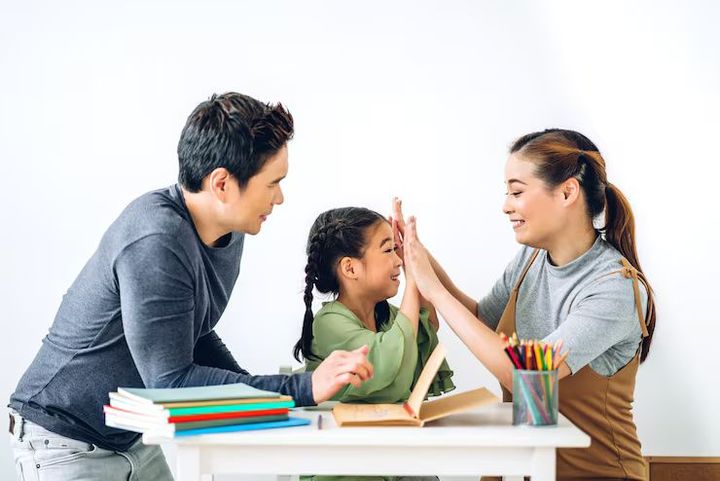
Understanding Parental Involvement in Education: Basics and Key Insights
Parental involvement in education refers to the active participation of parents in their child’s academic life. It includes support at home, communication with teachers, and engagement in school activities. This involvement plays a crucial role in shaping a child’s learning experience and long-term success.
Most kids pay closer attention when someone at home checks in on schoolwork. Not just grades - watching how a child handles challenges tells you more. Families who talk regularly about learning often notice shifts in mood, effort, rough patches. That kind of awareness builds trust over time. A quiet moment asking "What felt hard today?" does more than praise ever could.
Parental Involvement Makes a Difference
When parents take part in their children's lives, grades often rise along with emotional growth. Kids whose families stay involved usually do well in class while acting with more care. A steady home presence helps shape how they see education - often in ways that stick.
When kids see their parents taking part, it builds a stronger bond. That closeness gives them confidence - making tough tasks seem doable. Effort sticks around longer when support shows up early.
Ways Parents Participate
Now here comes a parent stepping into class, maybe handing out papers or just sitting quiet in the back row. Sometimes it is late-night talks about homework that shape how kids see math or reading. One household leans on phone calls from teachers. Another shows up at weekend events under fluorescent gym lights. A note slipped into a backpack carries more weight than expected. Not every moment happens loud. Some support lives in glances, routines, small yeses. What fits one family might not fit another. Schools change too - hallways shift, rules bend, schedules twist. Still, each gesture sticks somehow. None of them vanish.
Home-Based Involvement
Inside the home, this kind of engagement takes shape. Learning moves forward as parents step in during everyday moments. Routines become quiet teachers. Simple actions carry lessons without announcing them.
Examples include:
- Helping with homework and assignments
- Setting a regular study schedule
- Encouraging reading habits
- Discussing school topics and lessons
Starting early with routines shapes how kids manage tasks while growing sharper in class topics. A steady path through daily habits leads them to grasp lessons better yet stay focused longer each day.
School-Based Involvement
From time to time, families step into classrooms or events tied to learning. This kind of presence opens clearer paths for talking with teachers.
Examples include:
- Attending parent-teacher meetings
- Participating in school events
- Volunteering for school programs
- Staying informed about school policies
When parents stay involved, they naturally see how their child is doing, along with any struggles.
Parental Involvement Strengthens Learning
When parents get involved, good things happen - not just in school. Life outside the classroom changes too, often in quiet but meaningful ways.
Some key benefits include:
- Improved academic performance and grades
- Better attendance and classroom behavior
- Increased motivation and self-confidence
- Stronger communication skills
- Enhanced emotional support and stability
When kids get help from family, they tend to keep trying hard at school. A steady push from home often means fewer distractions when learning. Growing up with encouragement makes sticking to tasks feel natural. Supportive adults around them can quietly shape how students handle tough lessons. Having someone who listens helps children bounce back after setbacks. It is common for these young learners to pay attention even when things get tricky.
Barriers to Parent Engagement
Even when it matters most, getting involved isn’t always easy for parents. Outside pressures often get in the way of keeping up with school life.
Common challenges include:
- Busy with job stuff right now. Time is tight because of that. Can’t say when things might open up again. Just how it is these days
- Lack of awareness about how to help
- Language or communication barriers
- Limited access to school resources
- Differences in educational background
Working together makes tackling these issues possible when schools team up with families. Guidance comes through classrooms reaching out, offering tools so caregivers find clearer paths forward. What begins in hallways often grows stronger at home.
Ways Parents Can Take Part in School
Working well with parents takes time along with real actions that fit each family. Tiny shifts here and there often reshape how kids feel about school.
Effective strategies include:
- Creating a dedicated study space at home
- Setting realistic academic goals with children
- Maintaining regular communication with teachers
- Encouraging curiosity and independent thinking
- Monitoring academic progress without pressure
Little moments of patience can shape how kids see learning. Instead of rigid schedules, think warmth at the kitchen table. A nod, a quiet word - these sometimes do more than long talks. Growth shows up differently for each child. Outcomes brighten when stress takes a back seat. Room to breathe helps ideas grow.
Schools Helping Parents
Open doors come first when classrooms invite families inside. A smile at the entrance matters more than brochures on a shelf. Some parents arrive early, others late - timing never cancels belonging. Trust grows where voices are heard, not sorted. Welcoming means seeing people, not roles. Every hallway echo can carry respect or distance. Belonging sticks around long after meetings end.
Schools can:
- Provide clear communication channels
- Organize workshops for parents
- Share regular updates on student progress
- Offer guidance on supporting learning at home
Home and school teamwork means kids get steady help wherever they learn. A child thrives when grown-ups stay on the same page across settings.
How Parents Take Part in School Life
A look at everyday steps families take to join in their kids’ learning shows what shifts happen when they do. Each move brings a different ripple through school life. Some choices open doors quietly, others change how lessons feel day to day. Small efforts add up without fanfare. What happens next often depends on who shows up, how often, and just being there.
Each day, a quiet moment with books helps young minds grow stronger through words. Instead of just sitting nearby, lending a hand with school tasks clears up tough ideas. When grown-ups talk face to face with educators, what happens in class becomes clearer. Sticking to the same order every afternoon shapes how kids manage their time. Curiosity blooms when they’re invited to wonder out loud about how things work.
From drawing maps to sorting buttons, small tasks pack big learning power. A bit of play each day builds strong thinking habits. Each moment spent arranging shapes or naming colors adds up in quiet ways. Little moments grow into sharper skills without fuss. Over time, tiny efforts shape how minds connect ideas.
Long Term Effects on Students
Later on, grown-ups remember how their parents showed up when they were young. Kids lucky enough to have hands-on caregivers usually stick with routines that help them learn. Because of steady guidance at home, sticking to tasks becomes second nature.
Most tend to:
- Pursue higher education
- Develop problem-solving skills
- Maintain a positive attitude toward challenges
- Build strong interpersonal relationships
Success in school or at home often comes from these traits. What matters most shows up here, again and again. They shape how people handle challenges everywhere.
Balancing Support and Independence
Though taking part matters, giving kids space to grow on their own counts just as much. Instead of steering every step, grown-ups can help by stepping back now and then.
A balanced approach includes:
- Offering help when needed
- Encouraging self-study and responsibility
- Allowing children to make decisions
- Supporting without creating pressure
Confidence grows when kids learn how to handle tasks on their own. Their ability to think clearly sharpens through steady practice each day.
Conclusion
When parents take part in school life, kids often do better in class. Learning grows stronger where family support exists. A student gains confidence when guided at home. Involvement shapes how well children handle challenges. School becomes easier with encouragement from caregivers.
When parents keep involved, talk regularly with teachers, instead of waiting for problems, they help shape better results. A few minutes each day - reading together or asking about class - adds up over time. Outcomes grow stronger when effort stays consistent, even if it feels minor at first. Success in school often follows from steady support outside the classroom. What happens at home quietly shapes how kids handle challenges later on.