Gamification in Higher Education Overview: Explanation and Learning Insights
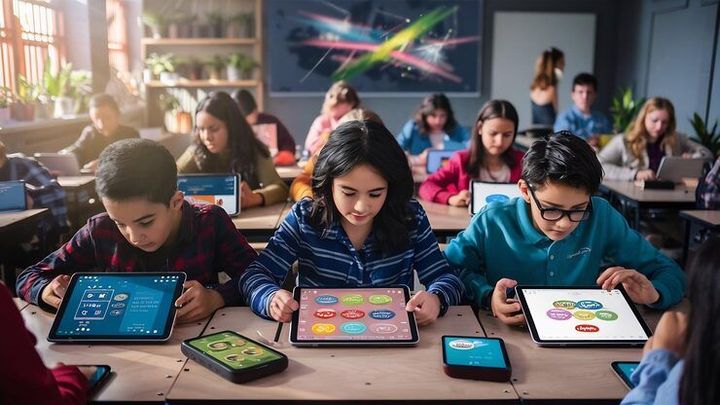
Gamification in higher education refers to the use of game-like elements in academic environments to improve student engagement, motivation, and learning outcomes. It blends educational content with interactive strategies such as points, levels, badges, and challenges. This approach transforms traditional classrooms into dynamic learning spaces that encourage participation.
Nowadays, classrooms aren’t the only place where lessons stick - games help too. Schools start weaving playful moments into tough subjects without lowering standards. Instead of resisting change, many teachers adjust their rhythm to match how students now think, click, and learn. What used to be seen as distractions slowly become tools.
How Games Help Learning
Surprisingly, gamification doesn’t mean reshaping schoolwork into playtime. Instead, it pulls pieces from games - like points or levels - and slips them into lessons. Often, this shift breathes life into routines that feel flat. Suddenly, effort brings visible progress. Rewards nudge persistence without feeling forced. Learning gains rhythm when small wins pile up.
Common elements of gamification include:
- Points and scoring systems to track progress
- Badges or rewards for achievements
- Leaderboards to encourage healthy competition
- Levels that represent stages of learning
- Challenges and quests that simulate problem-solving
Progress feels clearer when lessons follow game-like steps. Moving forward brings its own reward, step by step. A growing feeling of winning keeps interest alive along the way.
Difference Between Gamification and Game Based Learning
Just because they get mixed up doesn’t mean gamification and game-based learning are the same. One pulls pieces from games and drops them into regular tasks. The other builds full games meant to teach something straight through.
Starting off differently, gamification adds playful elements to what's already there. On the flip side, game-based learning wraps lessons right inside the play itself. When used with care, one leads to results just as well as the other does.
How Games Help Learning in College
One reason people learn better? Turning tasks into games helps. It pulls students in, sure - yet there’s more beneath the surface. Focus sharpens when points or levels come into play. Grades sometimes rise without anyone forcing it. Skills grow quietly through repeated tries. Small wins stack up, building confidence along the way. What feels like fun might actually be progress in disguise.
Among the advantages are these
- Increased student motivation through rewards and recognition
- Enhanced engagement with interactive and dynamic content
- Improved retention of information due to active participation
- Development of problem-solving and critical thinking skills
- Encouragement of collaboration and teamwork
Right away, gamified setups show results, so students see how they're doing without delay. Because of this steady stream of responses, spotting weak spots happens fast.
How Students Stay Driven
Success in school often ties back to drive. Still, games bring energy because they mix personal wins alongside prizes that come from outside.
Most learners stick with assignments if they taste success along the way. Chopping tough subjects into small hurdles helps spark that win.
Practical Uses and Real World Cases
From classrooms in Asia to universities in Europe, game-like learning methods pop up more every year. Not just computer science - biology courses use them too, along with history departments trying new approaches.
Below is a table highlighting common gamification techniques and their educational purposes:
Getting things done gives points. That keeps students coming back. A badge shows you finished something. It feels good to see that. Some names appear higher on a list. This makes effort feel worthwhile. Challenges shaped like missions pop up. They get minds moving differently. Each step forward marks a new stage. Learning stays clear and steady.
Gamification in education examples include:
- Online quizzes with instant feedback and scoring
- Interactive simulations in science and engineering courses
- Language learning platforms that use streaks and rewards
- Virtual classrooms with achievement-based progression
Take these cases. They show gamification shifting shapes across topics, fitting classrooms or online spaces just the same. One moment it’s math drills turned into timed quests. Then - suddenly - history lessons become story-driven missions. Each setting tweaks the approach, yet keeps the core idea alive. Not every subject plays the same way, but each finds its rhythm. Learning stays centered, even when rules change. Surprising how flexible it gets without losing purpose.
Challenges and Limitations
Still, using game-like elements in college teaching comes with some hurdles. Thoughtful planning is needed so these tools actually help meet course goals.
Problems often pop up like these:
- Too much focus on prizes can drain the joy of doing something for its own sake
- Distraction creeps in when design misses the mark instead of guiding attention toward understanding
- Not all students respond positively to competitive elements
- Getting things running takes a while, needs careful thought, then relies on skilled people to set up
Most learning works best when fun meets purpose. A game element might fit neatly into lessons - only if it supports what students need to know.
Addressing Common Concerns
One way forward? Teachers might blend gameplay with clear outcomes. Mixing fun bits into lessons helps when those pieces actually match what students need to learn. Another piece of it - everyone gets a turn, everyone fits in.
Strategies to address concerns include:
- Designing meaningful rewards that reflect learning outcomes
- Offering both competitive and collaborative activities
- Providing clear instructions and expectations
- Regularly evaluating the effectiveness of gamified systems
By focusing on student needs, institutions can create more effective gamified learning environments.
How games are changing the way people learn
Right now, what happens with game-style learning in colleges depends a lot on new tech. Tools like smart software, simulated environments, besides responsive platforms make these setups more engaging. While that unfolds, each upgrade pushes how students interact. Because of shifts like these, older methods fade without making a show. Still, results matter most when changes stick around long enough to count.
Trends to watch include:
- Each learner gets a unique route shaped by how they do. Where someone struggles, the path bends there. Progress shows where to go next. Past results guide future steps. What works shifts as skills grow
- Integration of virtual and augmented reality for immersive experiences
- Use of data analytics to track and improve engagement
- Expansion of mobile-based gamified learning platforms
One way schools might teach tomorrow? By weaving game-like features into lessons. Think progress bars, challenges, rewards - stuff that feels familiar online. This shift could pull in students who tune out traditional formats. Not every classroom runs this way yet, but the trend is picking up speed. Some learners stick around longer when tasks feel interactive. It’s less about grades, more about staying involved. New tools show promise for reaching kids across different backgrounds. When material adapts to how people play, it often clicks better. Growth in tech-driven teaching seems steady, maybe even inevitable. What counts now is whether these methods actually help understanding last.
Gamification Implementation Approaches
Start strong by thinking ahead - making gamification work means putting effort into every step. Meaningful moments matter most when learning ties directly to how students interact. A clear link between play and purpose keeps classroom aims in sight. Not just fun, but focused energy moves progress forward.
Best practices include:
- Clearly defining learning objectives before adding game elements
- Keeping the design simple and intuitive
- Ensuring fairness and transparency in rewards and scoring
- Encouraging collaboration alongside competition
- Continuously gathering feedback from students
By considering each step carefully, gamification can support learning instead of making things harder.
Conclusion
Surprisingly, turning classroom tasks into challenges changes how students respond. When points or levels appear in lessons, attention grows without anyone announcing it. Something shifts quietly when feedback feels like progress instead of judgment. Learning sticks better if the rhythm matches play. Moments become memorable not because they’re fun, but because they matter right then.
Learning that feels like a game tends to stick more easily. Motivation often rises when tasks unfold like levels instead of lectures. Engagement grows stronger without feeling forced. Knowledge stays longer in memory under these conditions. Problems do show up now and then. Thoughtful planning usually smooths out the rough parts. Design choices make a big difference behind the scenes.
Tomorrow’s classrooms might look different because tech keeps changing. Schools could connect more deeply with students when game-like tools are part of lessons. Instead of resisting shifts, some educators may find strength in adapting early. Learning feels less like work when rewards follow effort naturally. Challenges ahead demand new ways of thinking - playful methods might be one path forward.