Video Based Learning Overview: Explanation, Benefits, and Resources
Video based learning has become a central part of modern education. It combines visuals, audio, and storytelling to deliver information in a way that is easier to understand and remember. From classrooms to self-paced online study, learners increasingly rely on video content to explore new ideas and build skills.
Most folks today jump between screens fast, so sharp formats matter more than ever. Because videos lay out ideas step by step, they make tough subjects easier to follow. Learning sticks better when visuals guide the way instead of walls of text. With endless facts just a click away, standing out means cutting through noise without adding clutter.
Video Based Learning Explained
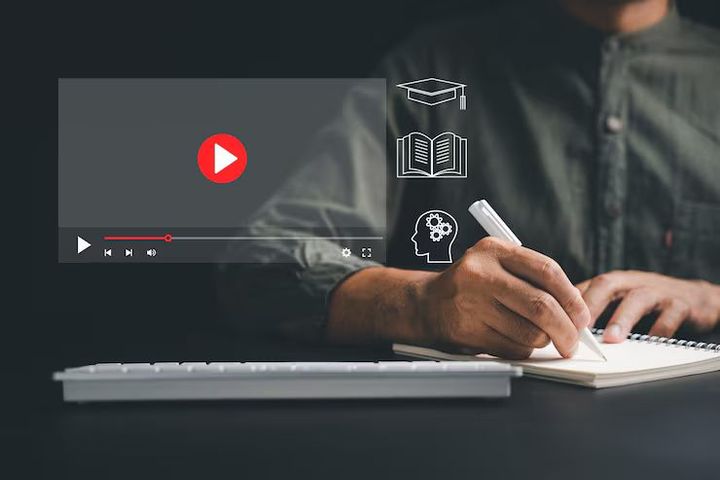
Watching videos helps people learn new things. These clips might show someone teaching, step-by-step guides, moving images that explain ideas, live examples, or activities where viewers respond. A person can start the video whenever it suits them, stop if something is unclear, then go back over tricky parts later.
Most classrooms, colleges, and training workshops rely on this approach. Outside formal settings, people often dive into subjects using online resources or public knowledge hubs.
Common examples of video based learning
There are many practical video based learning examples used across different fields:
- Instructional tutorials for software and tools
- Animated explainers for science and mathematics
- Recorded lectures for academic subjects
- Skill-based demonstrations such as cooking or design
- Language learning videos with pronunciation guides
Picture this: videos shifting shape depending on who watches. A teacher uses clips one way. Kids grab ideas another. Each group bends the method to fit their needs. Change happens quietly, naturally. Learning stays steady even when styles differ.
Video Learning Helps People Understand Better
Watching videos to learn can help people at any age grasp ideas more clearly. Because eyes and ears both get involved, understanding grows easier than with words alone. Some choose to pause, others rewatch parts they find hard. Each person moves at their own pace without needing permission. What one learner skips, another might study twice. Sound paired with motion creates stronger memory links. Learning this way fits into odd minutes between tasks.
Here are some of the major benefits:
- Pictures help make things clearer by showing what words cannot say alone
- Better retention due to engaging content formats
- Self-paced learning that fits individual schedules
- Getting hold of many subjects is straightforward. Through one spot, different areas open up. A broad mix shows up without trouble. Various fields become available with little effort. Wide coverage comes through simple reach
- Consistent delivery of information
Breaking tough concepts into tiny pieces helps too. Learning feels easier when it comes piece by piece, almost like stepping on stones across a stream.
More Interest and Drive
What stands out about video learning? It grabs focus like few other tools. Motion on screen pulls eyes in, while voices add meaning. Stories unfold differently here than they do in books alone. Sound layers onto visuals, building interest step by step. Text just sits - video moves, speaks, holds on.
Most people stick with lessons longer if they look good. When things catch the eye, interest stays strong. A clear visual setup pushes effort up. Good results often follow that shift.
Video Based Education Types
Some lessons come through videos shaped in various ways, built around how people learn best. Knowing what kinds exist helps teachers and students pick one that works well. Different styles fit different goals.
1. Lecture-Based Videos
Most of these clips feel like sitting in a regular class. Picture someone walking you through ideas, standing by a whiteboard or flipping through slides. Often found inside college-style lessons.
2. Animated Explainer Videos
Through moving images, ideas become clearer. Take science, tech, or money matters - these often click better when shown dynamically. Motion helps untangle tough concepts. Visuals guide the mind where words alone might stumble.
3. Demonstration Videos
Watch these clips to see one way of doing something step by step. Common in hands-on areas like building things, painting, or making meals.
4. Interactive Videos
When you watch an interactive video, it lets you respond or pick paths while the scene plays out. Because of that, attention stays higher and ideas stick better.
5. Microlearning Videos
One idea fills each clip. Perfect when time is tight, yet understanding matters - think of them as snapshots for your mind. These clips stick because they skip clutter, leaving only what counts.
Comparing How People Learn
Below is a simple comparison of video based learning with traditional and text-based methods:
Watching videos helps people learn by showing images along with sound. This way often feels lively, fits different schedules, works well for many learners - but needs stable internet and a screen. Sitting in classrooms gives face-to-face contact, clear routines, teacher guidance - yet locks you into fixed hours, offers little room to adjust. Reading books or notes provides depth, lets you pause and look back easily - though some find it dull, harder to stay focused on long stretches.
Picture a scene where videos pull ahead when it comes to holding attention and fitting into different schedules, working alongside other ways people learn.
Using Videos for Learning
Most of what you gain from video lessons depends on how organized your method is. Jumping into clips at random often leads nowhere useful. Instead, moving step by step sticks better. Without some kind of system, attention fades fast. Planning ahead shapes the difference between seeing and actually remembering.
Here are some useful tips:
- Set clear learning goals before starting
- Take notes while watching videos
- Take a breath before moving on - rewind when things feel unclear. Sometimes stopping helps more than rushing ahead. Hit play again if you missed something important. Let it sink in, then continue at your own pace
- Combine video learning with reading materials
- Practice what you learn through exercises
Showing up matters just as much. When learning happens often, memory gets stronger because practice sticks bits together slowly.
Building a Daily Study Habit
Start by watching once without notes. After that, jot down key points from memory. Next try explaining the idea out loud. Then check gaps against the original. Finally test recall a day later
- Start with a short video lesson
- Review key points and take notes
- Apply the concept through practice
- If you need to, take another look at the video
Learning stays alive through doing, not just watching.
Challenges in Learning Through Videos
Though videos can aid learning, they sometimes bring hurdles too. Knowing what those are makes it easier to move past them.
Among typical hurdles are:
- Distractions while watching videos
- Overdependence on passive learning
- Limited interaction compared to live teaching
- Difficulty in assessing understanding
When problems come up, working through material step by step helps. Other tools can pitch in if things get tough.
Video Learning Resources
Some tools make learning through videos possible across different topics. Because they exist, people can explore skills at every stage. Not limited by subject, these platforms open doors in unexpected ways.
Popular Learning Platforms
- Educational video libraries with structured courses
- Academic platforms offering recorded lectures
- Skill-based platforms for creative and technical learning
- Video sets made for picking up new languages
Puzzles pop up on these sites, followed by tasks that test what you just saw. Group chats mix in later, letting thoughts bounce around among users.
Open Educational Content
Some schools post videos online for people to learn at their own speed. Because they help those studying alone, these clips matter a lot. When someone wants to dig into a subject without rushing, such material makes it possible. Not everyone learns the same way, so having options helps.
Examples of content include:
- University lecture recordings
- Educational series on science and technology
- Tutorials on digital skills and tools
Open access to materials helps people learn at their own pace while building understanding over time.
Future of Video Based Education
Right around now, video lessons keep getting better because tools improve fast. With machines that learn on their own plus worlds you can step inside, school could feel more alive soon.
One way schools might change is through videos that know what you need to watch next. Because of smart software, lessons adjust themselves while you go. Imagine stepping into subjects instead of just reading them. This kind of setup helps people really get ideas, not only memorize them. Skills stick better when they feel real. Learning by doing becomes easier when the system moves with you.
When more people can get online, schools might lean heavier on videos to teach. Because internet keeps spreading, these tools could help fill in holes where lessons fall short. With connection growing, chances open up - no matter who you are or where you live. Learning by watching may just become a steady part of how we pick things up.
Conclusion
Out of nowhere, moving images started reshaping how folks pick up new skills. With sound layered over pictures - all available whenever needed - learning sticks more easily. Not just inside classrooms but also during solo sessions at home, attention stays sharper and ideas click faster.
Video lessons work better when students pick smart tools plus helpful guides. Since tech keeps changing, these classes stick around as a key piece of how people learn today.